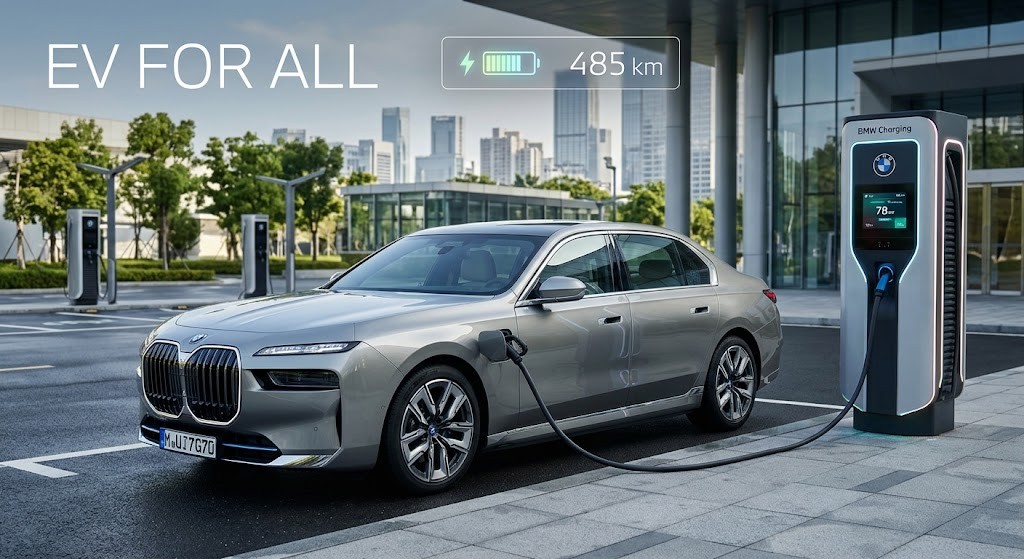
BMWグループが2026年10月に発表した米国での電気自動車(EV)に関する消費者意識調査によると、アメリカにおけるEVは一部の先進層(アーリーアダプター)向けの特別な存在から脱却し、一般の消費者の間で主流の選択肢になりつつあることが明らかになりました。一方で、消費者の意識には「日常で実際に必要な航続距離」と「購入前に求める安心感の基準」の間にギャップがあることも浮き彫りになっています。
主な調査結果とポイント
- 航続距離の認識ギャップ: 回答者の73%が「日常の運転には75マイル(約120キロメートル)以下で十分」と答えた一方、EVを検討する段階では42%が「少なくとも300マイル(約480キロメートル)以上の航続距離が必要」と回答しており、実際の必要量よりも長大な航続距離を求める傾向が見られます。
- 充電速度による意識の変化: 「10分間の急速充電で約150マイル(約240キロメートル)の追加が可能」という条件があれば、53%の人がEV購入を前向きに検討すると回答しました。特にZ世代(70%)やミレニアル世代(65%)の間でその傾向が強く、若い世代へのアプローチとして急速充電技術が極めて有効であることが示されています。
- 購入のハードルとコスト意識: EV購入における最大の障壁は「車両購入価格」(51%)ですが、一方で「所有・運用コストの低さ」(27%)が購入を検討する最大の理由としても挙げられています。さらに、55%の人が十分なコスト削減ができるのであれば認定中古車や中古EVの検討も視野に入れていると答えています。
- 新たな用途や価値の重視: 57%の人が「停電時に自宅へバックアップ電源を供給できる機能(V2Hなど)」があれば購入を検討すると回答しており、移動手段だけでなくライフラインとしての利便性も重視され始めています。
- 世代や性別による違い: 同等のガソリン車よりも加速が速いと認識している割合は、ミレニアル世代(49%)やZ世代(47%)で高い一方、ベビーブーマー世代では25%にとどまるなど、世代間の認識に差が見られます。また、男性の方が女性よりも航続距離や加速性能を重視する傾向があります。
BMW・MINIの取り組みと市場への影響
BMWグループは、こうした消費者のニーズや期待の変化に応えるため、次世代の技術開発や米国での現地生産体制を強化しています。
- 先進技術と製品展開: 第6世代のバッテリー技術や、米国のサウスカロライナ州スパルタンバーグ工場で生産される新型モデル(BMW iX5やiX3など)の投入を進め、急速充電性能や最大435マイル(約700キロメートル)に達する航続距離を実現しています。
- 充電インフラの拡充: 北米の合弁事業であるIONNAを通じた高出力充電ネットワークの構築や、Plug & Charge、ChargeScapeといったエコシステムの活用により、全米で約20万ヶ所の充電ステーションを利用できる環境を整えています。
今回の調査結果は、消費者のEVに対する関心が「そもそも検討するかどうか」という段階から、「どのような機能や体験、価値をもたらしてくれるのか」という具体的なレベルへ完全に移行していることを示しています。
Seeking More Than Necessary: BMW’s 2026 Latest Consumer Survey on EV Buyers
According to a consumer survey on electric vehicles (EVs) released by the BMW Group in the United States in October 2026, EVs are breaking away from being a niche product for early adopters and are becoming a mainstream choice among general consumers. At the same time, the findings highlight a clear gap between the driving range consumers actually need in daily life and the benchmark for peace of mind they look for before making a purchase.
Key Findings and Highlights
- Range Perception Gap: While 73% of respondents stated that a driving range of 75 miles (approx. 120 km) or less is sufficient for daily driving, 42% indicated that they need a range of at least 300 miles (approx. 480 km) before considering an EV, showing a tendency to seek a much longer range than what is practically required.
- Shift in Mindset via Charging Speed: 53% of respondents answered that they would be more likely to consider buying an EV if it could add about 150 miles (approx. 240 km) of range with a 10-minute DC fast charge. This sentiment is especially strong among Gen Z (70%) and Millennials (65%), demonstrating that fast-charging technology is an exceptionally effective tool for reaching younger demographics.
- Purchase Barriers and Cost Awareness: The biggest barrier to EV ownership is the vehicle purchase price (51%), yet low ownership and operating costs (27%) are cited as the top reasons for considering an EV. Furthermore, 55% of respondents said they would consider certified pre-owned or used EVs if it resulted in sufficient cost savings.
- Emphasis on New Uses and Value: 57% of respondents stated they would consider buying an EV if it could supply backup power to the home during an outage (such as V2H capabilities), indicating that EVs are increasingly valued not just as a mode of transport, but as a lifeline convenience.
- Differences by Generation and Gender: The perception that EVs accelerate faster than comparable gasoline-powered cars is high among Millennials (49%) and Gen Z (47%), but drops to 25% among Baby Boomers, revealing generational gaps in awareness. Additionally, men are notably more likely than women to view driving range and acceleration performance as decisive factors.
BMW and MINI Initiatives and Market Impact
To respond to these evolving consumer needs and expectations, the BMW Group is strengthening its next-generation technology development and local US production framework.
- Advanced Technologies and Product Deployments: BMW is advancing the rollout of 6th-generation battery technology and new models produced at the Spartanburg plant in South Carolina (such as the BMW iX5 and iX3), achieving fast-charging performance and a driving range of up to 435 miles (approx. 700 km).
- Expansion of Charging Infrastructure: Through IONNA, a joint venture for high-power charging networks in North America, and the utilization of ecosystems such as Plug & Charge and ChargeScape, BMW has established an environment where drivers can access a network of approximately 200,000 charging stations across the US.
The survey results indicate that consumer interest in EVs has completely transitioned from the initial question of “whether to consider an EV at all” to a concrete level of “what specific features, experiences, and value the vehicle will deliver.”
コメント