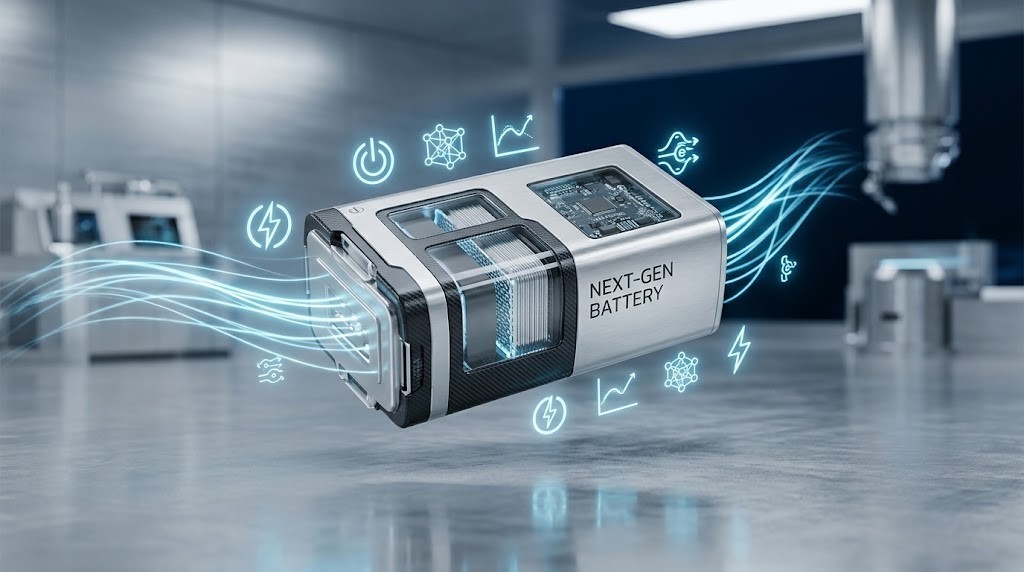
本ニュースは、中国の主要自動車メーカーである奇瑞汽車(Chery)が「2026年Cheryグローバルイノベーションカンファレンス」において、新型バッテリーブランド「Rhinoceros(サイ)」のロードマップを発表したことを伝えるものです。
Cheryは最高12Cの超急速充電に対応する「液体電解質電池」、400Wh/kgのエネルギー密度を持つ「全固体電池(Rhinoceros S)」、さらに定置型発電向けの「ナトリウムイオン電池」や「アンモニア燃料電池(SOFC)」まで網羅する広範なエネルギー戦略を示しました。
今回の発表は、「技術的な目標値」と「実際の量産・車両搭載スケジュール」の間に存在するタイムラグや、CATL・BYDをはじめとする中国主要勢との2027年をターゲットとした全固体電池実証レースの過熱を象徴しています。
以下に、ニュースの要点と背景解説を分かりやすく整理しました。
ニュースの要点整理
1. Chery「Rhinoceros(ライノセロス)」シリーズの主要スペック
- 全固体電池「Rhinoceros S」
- エネルギー密度: 400Wh/kg(将来目標として1,500kmの航続距離を掲げる)
- 動作温度範囲: -40℃〜100℃(200℃での社内熱試験も実施)
- 実用化スケジュール: 2027年に専用パイロットラインの稼働および車両レベルでの試験開始を目指す。
- 液体電解質電池(車載向け)
- 充電性能: 最大12C(平均持続レート8C以上)の超急速充電に対応。
- ナトリウムイオン電池(定置型蓄電向け)
- 寿命・用途: 最大15,000サイクルの長寿命定格。商業用・産業用・住宅用蓄電(ESS)を想定。
- アンモニア燃料固体酸化物燃料電池(SOFC)
- 性能: 電気効率 60% / 熱電併給(CHP)効率 90% / 出力調整 30%〜100%
- 用途: 分散型発電や遠隔地EV充電インフラなど。
2. 製造・実証スケジュールの文脈
- パイロットラインと量産の相違: 2027年のライン稼働および車両検証はあくまで「試用・検証段階」であり、一般顧客向けの量産市販(納入)を意味するものではありません。
- 設備投資の推移: Cheryは2026年2月に60Ah級全固体電池の0.5GWhパイロットラインを完了させ、10月初旬に設備入札を開始。2027年予定のラインがこの拡張なのか別段階なのかは未公表です。
- 競合他社の動き: CATLやBYDも2027年頃の小規模生産・実証を目指しており、Cheryの計画も業界全体の開発サイクルと一致しています。
【関連情報・補足解説】技術仕様の深掘りと業界背景
1. 「12C充電」と「400Wh/kg」が持つ意味
- 12C超急速充電(液体電池):
- 「C」は充電速度を表し、12Cとは理論上5分(1/12時間)で満充電に達する速度を意味します。現在の超急速充電の主流(4C〜6C=10〜15分充電)を大幅に上回る数値ですが、車両側の熱管理や超高出力スタック(充電器基盤)のインフラ整備が必須となります。
- 400Wh/kg vs 600Wh/kg(材料技術の違い):
- Cheryが提示する400Wh/kg(硫化物系電解質+高ニッケル三元系正極)と、以前発表した600Wh/kg(その場重合電解質+リチウムリッチマンガン正極)は、全く異なる材料アプローチです。400Wh/kgは比較的実用化に近い硫化物系を指しており、無理な数値比較は避ける必要があります。
2. 全固体電池が抱える「界面接触」の壁
- 固体電池は「充放電時の電極の膨張・収縮」により、固体電解質と電極の物理的接触が剥がれて性能が急低下する課題を抱えています。Cheryが専用バッテリー管理システム(DMS)やパック統合技術を最優先課題に挙げるのは、この物理的・機械的な劣化をどう抑えるかが量産化の鍵だからです。
3. アンモニア燃料電池(SOFC)の可能性と課題
- なぜアンモニアなのか: 水素に比べて液化・輸送が容易なため「水素キャリア」として注目されています。再生可能エネルギー(風力・太陽光)で製造された「グリーンアンモニア」を用いれば環境負荷を低減できます。
- 導入の課題: アンモニアから水素を取り出す改質プロセスの効率低下や、毒性・臭気への安全対策、燃料供給インフラの構築コストが普及の障壁となります。
EV Charging in Just Minutes? Chery Unveils 12C Liquid Battery and 400 Wh/kg Solid-State Battery
This news reports that major Chinese automaker Chery Automobile unveiled the roadmap for its new battery brand, “Rhinoceros,” at the 2026 Chery Global Innovation Conference.
Chery showcased a comprehensive energy strategy covering a wide range of technologies: liquid electrolyte batteries supporting ultra-fast charging up to 12C, all-solid-state batteries (“Rhinoceros S”) boasting an energy density of 400 Wh/kg, as well as sodium-ion batteries and ammonia-fueled solid oxide fuel cells (SOFCs) designed for stationary power generation.
This announcement highlights both the time lag that exists between “technical targets” and “actual mass production / vehicle installation schedules,” as well as the intensifying race among major Chinese players—such as CATL and BYD—targeting solid-state battery validation and testing by 2027.
Below is a clear summary of the key takeaways from the news and relevant background analysis.
Key Takeaways
1. Key Specifications of the Chery “Rhinoceros” Series
- All-Solid-State Battery (“Rhinoceros S”)
- Energy Density: 400 Wh/kg (with a long-term goal of enabling up to 1,500 km driving range).
- Operating Temperature Range: -40°C to 100°C (internal thermal testing was also conducted up to 200°C).
- Commercialization Timeline: Targets launching a dedicated pilot line and beginning vehicle-level testing in 2027.
- Liquid Electrolyte Battery (for EVs)
- Charging Performance: Supports ultra-fast charging up to 12C (with a sustained average charge rate of over 8C).
- Sodium-Ion Battery (for Stationary Storage)
- Lifespan & Applications: Rated for a long cycle life of up to 15,000 cycles. Intended for commercial, industrial, and residential energy storage systems (ESS).
- Ammonia-Fueled Solid Oxide Fuel Cell (SOFC)
- Performance: 60% electrical efficiency / 90% combined heat and power (CHP) efficiency / power output adjustable from 30% to 100%.
- Applications: Distributed power generation and remote EV charging infrastructure.
2. Context of Manufacturing and Testing Schedules
- Distinction Between Pilot Lines and Mass Production: The 2027 line operation and vehicle validation represent a “trial and testing phase” and do not imply commercial mass production or delivery to end customers.
- Capital Expenditure Trajectory: In February 2026, Chery completed a 0.5 GWh pilot line for 60Ah-class solid-state batteries and invited bids for equipment in early October. It remains undisclosed whether the line planned for 2027 is an expansion of this facility or a separate development stage.
- Competitor Movements: CATL and BYD are also aiming for small-scale production and testing around 2027, aligning Chery’s roadmap with the broader industry development cycle.
[Related Information & Supplementary Analysis] In-Depth Look at Tech Specs and Industry Context
1. What “12C Charging” and “400 Wh/kg” Really Mean
- 12C Ultra-Fast Charging (Liquid Battery):
- “C” represents the charge rate; theoretically, 12C means reaching a full charge in just 5 minutes (1/12th of an hour). While this far exceeds today’s mainstream ultra-fast charging (4C–6C, or 10–15 minutes), it demands advanced vehicle thermal management and high-power charger infrastructure.
- 400 Wh/kg vs. 600 Wh/kg (Differences in Material Approaches):
- Chery’s 400 Wh/kg specification (sulfide electrolyte + high-nickel ternary cathode) and its previously announced 600 Wh/kg target (in-situ polymerized electrolyte + lithium-rich manganese cathode) rely on completely different material strategies. The 400 Wh/kg figure reflects the more commercially viable sulfide approach, so direct comparison between the two numbers should be avoided.
2. The “Interface Contact” Barrier in All-Solid-State Batteries
- Solid-state batteries face severe performance degradation when the physical contact between the solid electrolyte and electrodes loosens due to expansion and contraction during charge/discharge cycles. Chery’s prioritization of a dedicated battery management system (DMS) and pack integration highlights that mitigating this physical/mechanical degradation is key to achieving mass production.
3. Potential and Challenges of Ammonia Fuel Cells (SOFC)
- Why Ammonia?: Ammonia is attracting interest as a “hydrogen carrier” because it is much easier to liquefy and transport than pure hydrogen. Using “green ammonia” produced via renewable energy (wind or solar) can significantly reduce lifecycle emissions.
- Adoption Hurdles: Efficiency loss during the ammonia-to-hydrogen reforming process, safety protocols for toxicity and odor, and high infrastructure deployment costs remain major hurdles to widespread adoption.


コメント