世界的なエネルギー需要の増加と環境負荷軽減の要請に伴い、廃プラスチックやバイオマスなどの廃棄物をエネルギーへ変換する「Waste-to-Energy(廃棄物発電・資源化)」技術が注目を集めています。しかし、変換プロセスで発生する固形炭素残渣(バイオ炭や炭化物)の多くは、低付加価値な用途で利用されるか廃棄されるにとどまり、資源としての真の価値が十分に引き出されていませんでした。
こうした中、Tersis Technologies社は廃棄物由来の炭素を、スーパーキャパシタや蓄電システム向けの高度な「グラフェン系材料」へ転換する新技術の特許を出願しました。本記事では、同社の発表概要と、この技術がエネルギー貯蔵分野にもたらすインパクトや関連背景について詳しく解説します。
Tersis Technologies社の特許出願の概要
1. 特許出願の内容と新材料の特徴
- 特許出願: Tersis社は2026年9月23日、米国特許商標庁(USPTO)に対し、熱化学プロセス(熱分解やガス化)で生じる廃棄物由来炭素から高性能なエネルギー貯蔵材料を生成するプロセスの仮特許を出願しました。
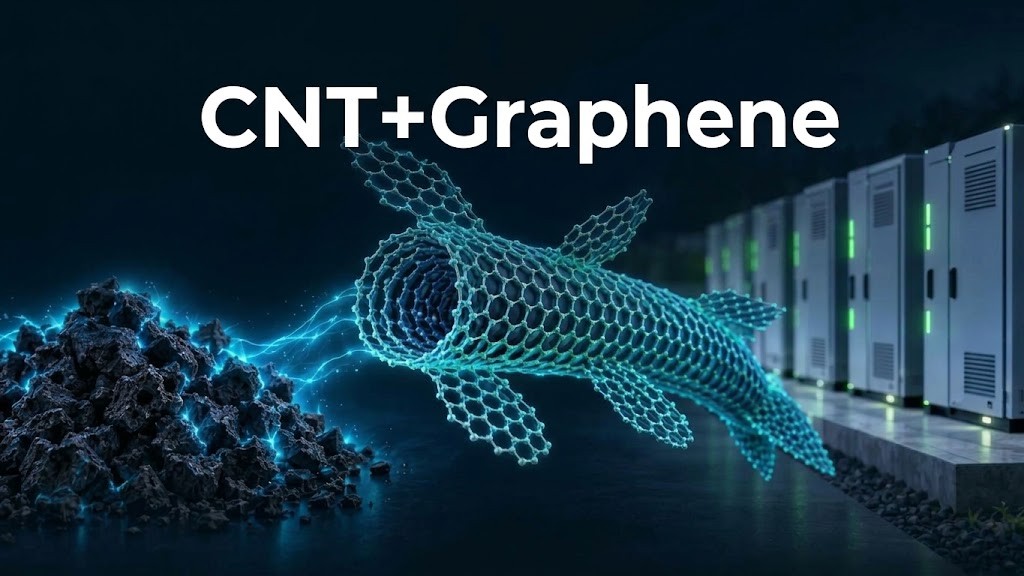
- フック状形態(Hook-like Morphology): 金属触媒と制御された電気パルスで処理することにより、ナノチューブ状の茎(幹)の全長に沿ってグラフェンシートが付着した独特のハイブリッド炭素構造を形成します。
- 電極としてのメカニズム:
- 幹部分(ナノチューブ): 電極内部で電子が効率的かつ連続的に流れる導電経路を提供します。
- グラフェン部分: 充放電を繰り返しても使用可能な表面積を維持し、高容量と耐久性を両立させます。
2. 対象となる用途と今後の展開
- 適用デバイス: スーパーキャパシタ、ハイブリッド型バッテリー・スーパーキャパシタセルの電極材料として活用されます。
- 対象用途: 系統電力の周波数調整、産業用ピークカット、オンサイトのバックアップ電源向けモジュール式蓄電バンクへの応用が想定されています。
- 自家循環型モデル: 同社の「SynGenic V3資源回収キャンパス」にて技術評価を進める予定です。廃棄物変換で生成された電力と炭素を用いて蓄電材料を作り、それを自社施設や地域電力網の安定化に役立てる完全循環型の構築を目指しています。
- 開発状況: 現在は電子顕微鏡による構造観察、プロセスの最適化、電極・セルの試験を行う初期開発段階にあります。
関連情報・背景解説
- 廃棄物由来炭素(バイオ炭・炭化物)の課題と可能性
- 熱分解やガス化処理の副産物である固形炭素(バイオ炭など)は、これまで主に土壌改良材や簡単なろ過材として使われてきました。これらをグラフェンやカーボンナノチューブのような「炭素ナノ材料」へアップサイクルできれば、廃棄物処理の経済性が劇的に向上します。
- スーパーキャパシタ(物理電池)とグラフェンの相性
- スーパーキャパシタは化学反応を伴わず、電極表面でのイオンの吸脱着(静電容量)を利用して電気を蓄えます。そのため「極めて速い充放電速度」と「数十万回以上のサイクル寿命」を持ちます。吸着面積を決定づける「比表面積」が大きいグラフェン構造は、キャパシタのエネルギー密度を高める理想的な材料とされています。
- 「ナノチューブ+グラフェン」構造の電気的メリット
- グラフェンシート単体では層同士が重なり合って表面積が減少しやすい(再積層問題)という欠点があります。ナノチューブを骨組み(幹)とし、そこにグラフェンを「フック状」に配置する複合構造にすることで、電子の通り道を確保しつつ、イオンが接触できる表面積を最大限に維持することが可能になります。
- 系統用蓄電システムにおける周波数調整とピークカット
- 太陽光や風力などの再生可能エネルギーの導入が進むと、天候による出力変動で電力系統の周波数が乱れやすくなります。スーパーキャパシタやハイブリッド蓄電器はレスポンスが極めて速いため、瞬時の出力変動を吸収する「周波数応答」や、ピーク時の電力をカバーする「ピークカット」において非常に重要な役割を果たします。
出典:https://www.bestmag.co.uk/tersis-files-patent-for-waste-derived-carbon/
“Nanotube x Graphene” Hybrid Structure: Tersis Challenges the Electrode Material Revolution for Waste Carbon
Driven by growing global energy demand and the need to reduce environmental impact, Waste-to-Energy technologies—which convert waste such as waste plastics and biomass into energy—are drawing significant attention. However, much of the solid carbon residue (biochar and char) generated in these conversion processes has been limited to low-value applications or discarded, leaving its true potential as a resource underutilized.
Against this backdrop, Tersis Technologies has filed a patent for a new technology that converts waste-derived carbon into advanced graphene-based materials for supercapacitors and energy storage systems. This article provides a detailed overview of the company’s announcement and explores the impact and context of this technology in the energy storage sector.
Overview of Tersis Technologies’ Patent Application
- Patent Application Content and New Material Characteristics
- Patent Application: On September 23, 2026, Tersis filed a provisional patent application with the United States Patent and Trademark Office (USPTO) for a process that generates high-performance energy storage materials from waste-derived carbon produced during thermochemical processes (pyrolysis and gasification).
- Hook-like Morphology: By treating the residue with a metal catalyst and controlled electrical pulses, a unique hybrid carbon structure is formed where graphene sheets attach along the full length of a nanotube stem.
- Mechanism as an Electrode:
- Stem Portion (Nanotube): Provides a continuous conductive path for efficient electron flow within the electrode.
- Graphene Portion: Maintains usable surface area through repeated charge-discharge cycles, delivering both high capacity and durability.
- Target Applications and Future Outlook
- Target Devices: Intended for use as electrode materials in supercapacitors and hybrid battery-supercapacitor cells.
- Intended Applications: Expected to be applied in modular energy storage banks for grid frequency regulation, industrial peak shaving, and on-site backup power.
- Self-Sustaining Circular Model: Technical evaluation will proceed alongside the company’s SynGenic V3 resource recovery campus. The goal is to establish a fully circular model that produces energy storage materials using electricity and carbon generated from waste conversion, utilizing them to stabilize its own facilities and the local power grid.
- Development Status: Currently in the early stage of development, involving electron microscopy structural observation, process optimization, and electrode/cell testing.
Related Information and Background Context
- Challenges and Opportunities of Waste-Derived Carbon (Biochar and Char)
- Solid carbon byproducts from pyrolysis and gasification processes (such as biochar) have traditionally been used mainly as soil amendments or simple filtration materials. Upcycling these into carbon nanomaterials like graphene or carbon nanotubes dramatically improves the economic viability of waste processing.
- Compatibility Between Supercapacitors and Graphene
- Supercapacitors store electricity through the adsorption and desorption of ions on the electrode surface (capacitance) rather than chemical reactions. As a result, they offer ultra-fast charge/discharge speeds and a cycle life exceeding hundreds of thousands of cycles. Graphene structures, with their high specific surface area, serve as ideal materials to boost the energy density of capacitors.
- Electrical Advantages of the “Nanotube + Graphene” Structure
- Single-layer graphene sheets tend to stack together, reducing their effective surface area (restacking problem). By creating a hybrid structure that uses a nanotube as a framework (stem) with graphene attached in a hook-like morphology, it becomes possible to secure electron conduction pathways while preserving maximum surface area for ion interaction.
- Frequency Regulation and Peak Shaving in Grid Energy Storage Systems
- As renewable energy sources like solar and wind expand, weather-induced power fluctuations can destabilize grid frequency. Supercapacitors and hybrid energy storage devices feature extremely rapid response times, playing a vital role in frequency regulation to absorb sudden fluctuations and peak shaving to meet peak demand.

コメント