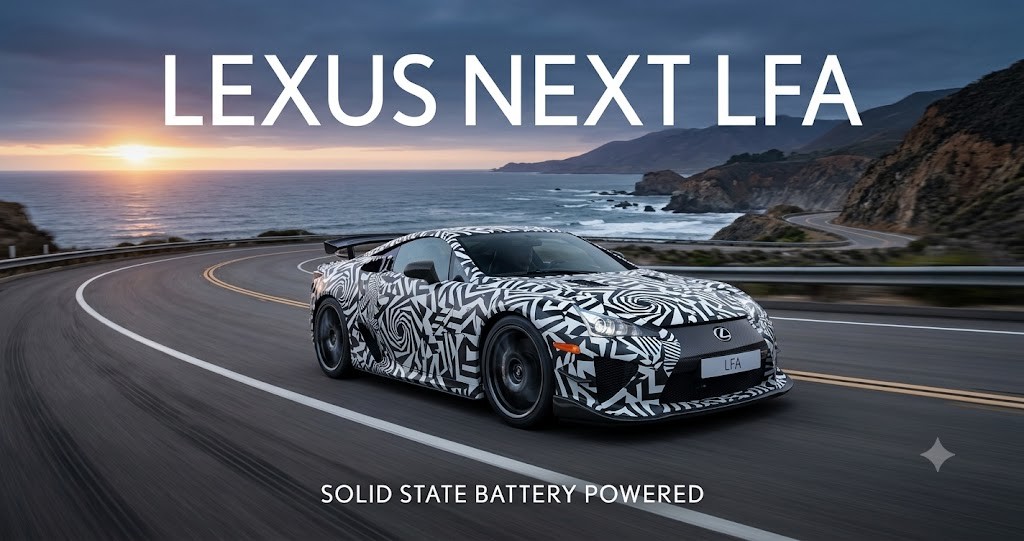
トヨタ自動車およびレクサスが誇る伝説的なフラッグシップスポーツ「LFA」の次世代モデルについて、全固体電池の初搭載という画期的な噂とともに新たな展開が見えてきました。環境対応と走行性能の両立が求められる次世代スーパーカーにおいて、レクサスがどのような戦略と技術革新で挑もうとしているのか、本記事の要点と背景知識を合わせて解説します。
次世代「LFA」とトヨタの全固体電池戦略まとめ
1. 新型LFAの概要と開発背景
- BEV専用スーパーカーとしての開発:英国の「グッドウッド・フェスティバル・オブ・スピード」にて、無音で走行する開発車両が公開されました。初代LFAがV型10気筒(V10)エンジンの官能的なサウンドで評価されたのに対し、新型は一貫して電気自動車(BEV)として開発が進められています。
- GR GTとの骨格共有:2025年12月に公開された「LFAコンセプト」は、トヨタのレーシングスポーツ「GR GT」とアルミニウム骨格(基本アーキテクチャ)を共有するとみられています。GR GTがV型8気筒(V8)エンジンを搭載するのに対し、LFAは完全な電動化モデルという明確な役割分担がなされています。
2. 全固体電池(Solid-State Battery)の初採用可能性
- 次世代バッテリー技術のメリット:全固体電池は、現在主流のリチウムイオン電池と比較してエネルギー密度が高く、バッテリーの小型・軽量化、航続距離の飛躍的な延伸、および急速充電時間の短縮が期待されています。
- フラッグシップ投入の戦略的狙い:全固体電池は製造コストや量産規模に課題があるため、大量販売する大衆車ではなく、高価格帯のフラッグシップモデル(新型LFA)に初搭載することで技術の市場投入を図る王道戦略が採られる見通しです。
3. 走りの楽しさとブランドの挑戦
- EVならではの新しい価値追求:レクサスは単なる「直線で速いEV」を目指すのではなく、電動車ならではのレスポンスや制御技術を生かした新しいドライビング体験の創出を追求しています。
- 伝説的モデルの継承:初代LFA(ヤマハ発動機と共同開発したV10エンジン搭載、世界限定350台)という絶対的な存在感を持つ前作に対し、エンジンサウンドのないBEVとしてどのような感動を提供できるかが大きな焦点となります。
【関連情報】補足と背景
- 初代レクサス LFAの功績:2010年から2012年にかけて世界限定500台で生産された初代LFAは、4.8 リッター V10エンジン(最高出力 560 PS / 412 kW)を搭載し、当時のトヨタ技術の集大成として世界的な評価を受けました。
- トヨタの全固体電池開発ロードマップ:トヨタはこれまでも出光興産などとの連携を通じ、2027年から2028年頃の実用化に向けた全固体電池の開発を本格推進してきました。10分以下の急速充電で航続距離 約1,000 km 以上を目指すといった目標が掲げられており、LFAへの搭載が実現すればトヨタの電動化戦略における大きな節目となります。
出典:https://carview.yahoo.co.jp/article/detail/9d7ce9e799c077610e61f0e0826592a28dd16ad7/?page=3
Will the New Lexus LFA Be the First to Feature Solid-State Batteries? The True Value of a Next-Generation EV Sharing Its Architecture with the GR GT
New developments have emerged regarding the next-generation model of the LFA, the legendary flagship sports car from Toyota Motor Corporation and Lexus, alongside groundbreaking rumors of it featuring solid-state batteries for the first time. This article summarizes the main points and provides background context on how Lexus plans to tackle the challenge through strategy and technological innovation in a next-generation supercar that demands both environmental compatibility and driving performance.
Summary of the Next-Generation LFA and Toyota’s Solid-State Battery Strategy
- Overview and Development Background of the New LFA Development as a BEV-Only Supercar: A development vehicle was revealed driving in near-silence at the Goodwood Festival of Speed in the UK. While the original LFA was praised for the emotional sound of its V10 engine, the new model is being developed strictly as a battery electric vehicle (BEV). Architecture Sharing with the GR GT: The LFA Concept revealed in December 2025 is believed to share its aluminum framework (basic architecture) with Toyota’s GR GT racing sports car. While the GR GT is equipped with a V8 engine, the LFA has a distinct role as a fully electrified model.
- Possibility of Being the First to Adopt Solid-State Batteries Benefits of Next-Generation Battery Technology: Solid-State Batteries have higher energy density compared to currently mainstream lithium-ion batteries, promising smaller and lighter battery packs, dramatically extended driving range, and reduced fast-charging times. Strategic Goal of Launching in a Flagship: Because solid-state batteries face challenges regarding manufacturing costs and mass-production scale, the company is expected to follow a classic strategy of introducing the technology to the market via a high-end flagship model (the new LFA) rather than a mass-market vehicle.
- Driving Joy and Brand Challenge Pursuit of New Value Unique to EVs: Lexus is not simply aiming to build a car that is fast in a straight line, but is striving to create a new driving experience that leverages the response and control technologies unique to electric vehicles. Carrying on the Legacy of a Legendary Model: Compared to its predecessor, the original LFA (equipped with a V10 engine co-developed with Yamaha Motor, limited to 500 units worldwide), a major focal point will be what kind of excitement it can deliver as a BEV without engine sound.
Related Information: Context and Background Legacy of the Original Lexus LFA: Produced from 2010 to 2012 with a limited run of 500 units worldwide, the original LFA featured a 4.8-liter V10 engine (maximum output of 560 PS / 412 kW) and gained global acclaim as the pinnacle of Toyota’s engineering at the time. Toyota’s Solid-State Battery Development Roadmap: Toyota has been actively driving the development of solid-state batteries for commercialization around 2027 to 2028 through partnerships such as the one with Idemitsu Kosan. With goals including a driving range of about 1,000 km or more and fast charging under 10 minutes, adopting this technology in the LFA would mark a major milestone in Toyota’s electrification strategy.
コメント