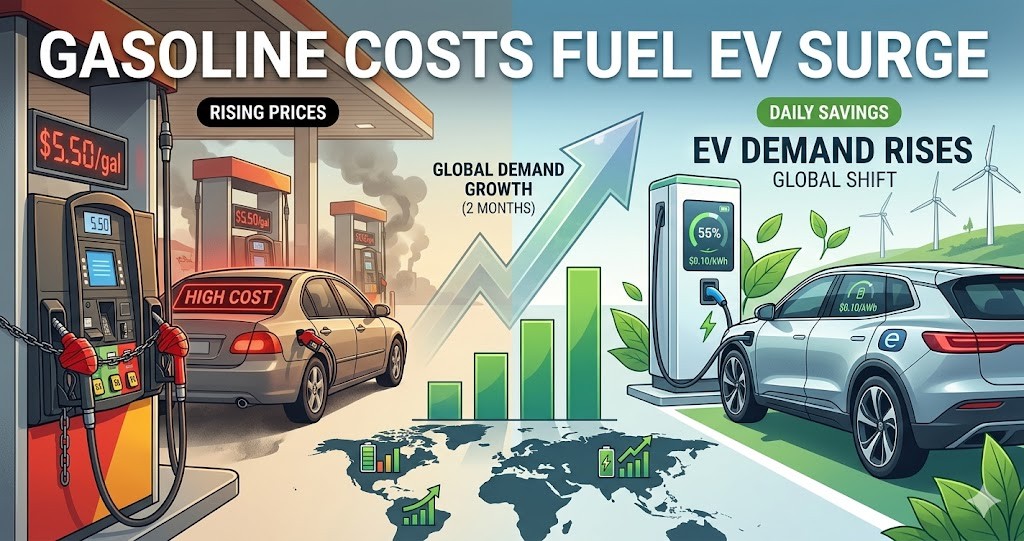
世界の自動車市場で、電気自動車(EV)へのシフトが新たな局面を迎えています。一時期は成長の鈍化やインフラ不足への懸念から普及のペースが落ちるとみられていましたが、足元のガソリン価格の高騰を受け、世界のEV需要は2ヶ月連続で増加を記録しました。
本稿では、消費者が「環境への配慮」という初期の動向から「日々の維持費の削減」という実利的な目的へと移行している現状を整理し、地域ごとの市場動向や今後の課題について解説します。
1. 自動車市場の基礎知識と関連情報(関連情報の追加)
市場の動向を正しく理解するために、現在主流となっている電動車の種類や、今回の需要増の背景にある要因を整理します。
電動車(xEV)の主な分類
- BEV(バッテリー電気自動車): 100%電気で走る車。今回のニュースで主に「電気自動車(EV)」と指されているものです。
- HEV(ハイブリッド車): ガソリンエンジンとモーターを組み合わせ、充電を必要としない車。
- PHEV(プラグインハイブリッド車): 外部からの充電が可能で、ガソリンでも電気でも走れる車。
なぜガソリン価格が高騰しているのか?
原油価格の変動は、地政学的リスクや産油国の生産調整、世界的なインフレなど複雑な要因が絡み合っています。燃料費が不安定になるたび、消費者の関心は「総所有コスト(車両価格 + 維持費)」が計算しやすい電気駆動へと向かう傾向があります。
2. ガソリン高騰が変える消費者の意識
これまでEVの購入層は、新しいテクノロジーを好む層や環境意識の高い層が中心でした。しかし現在では、以下のような「実用的な経済性」が最大の動向となっています。
- 日々のコスト削減: 従来のガソリン・ディーゼル車に比べ、電気による充電コストやメンテナンス費用(オイル交換が不要など)が大幅に安い。
- 中古EV市場の拡大: Tesla Model 3、VW ID.4、Hyundai Ioniq 5などの中古車が出回るようになり、高級車としてのEVを買えなかった層にも普及が進んでいます。
3. 地域ごとにみるEV普及の現状
中国:世界最大の市場を牽引
BYD、NIO、XPengなどの国内メーカーが、手頃な価格のコンパクトカーから高級SUVまで幅広いラインナップを展開。大規模なバッテリー供給網(エコシステム)を背景に、世界のEV市場をリードし続けています。
欧州:厳しい規制と補助金の変化
環境規制の強化や内燃機関(ICE)車の段階的廃止目標に向け、普及は力強く続いています。補助金制度の変化や経済の不確実性に対応するため、自動車メーカーはより手頃な価格帯のモデルへシフトしています。
北米:ハイブリッド車とのバランス戦略
EVへの需要は着実に高まっているものの、メーカー側はBEVだけでなく、プラグインハイブリッド(PHEV)や従来のハイブリッド(HEV)にもバランスよく投資を行い、緩やかな電動化に対応しています。
4. 今後の課題と市場のゆくえ
EV需要は回復しているものの、本格的な普及にはまだ大きな壁が存在します。
- 充電インフラの質と量: 急速充電器の不足や信頼性、都市部でのアクセス、送電網(グリッド)への負荷が世界的な課題です。今後は充電器の数だけでなく、充電速度などの「質」が求められます。
- ハイブリッド車の根強い人気: トヨタやホンダに代表されるハイブリッド車は、「充電の手間がない」「航続距離への不安がない」という理由から、依然として強力な支持を集めています。
- 技術革新への期待: 固体電池(全固体電池)の開発や、全地球的な無線アップデート(OTA)によるソフトウェアの最適化が、今後の所有価値をさらに高めると期待されています。
結論
世界的なEV需要の2ヶ月連続の増加は、EVが「一過性のブーム」ではなく、実用的な経済選択肢として主流派に受け入れられ始めたことを証明しています。
今後の自動車市場は、EV単一の時代になるのではなく、ハイブリッド車なども含めた多様なエコシステムが予想より長く続く可能性を秘めています。その中で、価格の手頃さ、充電インフラの整備、そしてバッテリー技術の進化をバランスよく達成できたメーカーが、長期的なリーダーとなるでしょう。
EV Demand Rises for Two Consecutive Months Amid High Gasoline Prices: The Shift in Consumer Focus from “Environment” to “Economics”
The shift toward electric vehicles (EVs) in the global automotive market is entering a new phase. Although the pace of adoption was previously expected to slow down due to concerns over decelerating growth and infrastructure shortages, global EV demand has recorded increases for two consecutive months, driven by the recent surge in gasoline prices.
This article outlines how consumers are transitioning from an early trend focused on “environmental awareness” to a practical goal of “reducing daily maintenance costs,” while also analyzing regional market trends and future challenges.
1. Basic Knowledge and Context of the Automotive Market
To properly understand market trends, we first look at the main types of electrified vehicles currently available and the factors behind the recent increase in demand.
Main Classifications of Electrified Vehicles (xEVs)
- BEV (Battery Electric Vehicle): Vehicles that run 100% on electricity. This is what is primarily referred to as an “electric vehicle (EV)” in recent news.
- HEV (Hybrid Electric Vehicle): Vehicles that combine a gasoline engine and an electric motor, requiring no plug-in charging.
- PHEV (Plug-in Hybrid Electric Vehicle): Vehicles that can be charged from an external power source and can run on either gasoline or electricity.
Why Are Gasoline Prices Surging?
Fluctuations in crude oil prices are driven by a complex mix of factors, including geopolitical risks, production adjustments by oil-producing nations, and global inflation. Whenever fuel costs become volatile, consumer interest tends to shift toward electric powertrains, where the “Total Cost of Ownership (TCO)”—the vehicle price plus running costs—is much easier to calculate.
2. How High Gasoline Prices Are Changing Consumer Mindsets
Previously, EV buyers were primarily early adopters who favored new technology or were highly environmentally conscious. Today, however, “practical economics” has become the biggest driving force.
- Reducing Daily Costs: Compared to conventional gasoline and diesel vehicles, electricity charging costs and maintenance expenses (such as not requiring oil changes) are significantly lower.
- Expansion of the Used EV Market: Used vehicles like the Tesla Model 3, VW ID.4, and Hyundai Ioniq 5 are becoming widely available. This is helping EVs spread to consumer segments that previously could not afford them as luxury cars.
3. Regional Overview of EV Adoption
China: Leading the World’s Largest Market
Domestic automakers such as BYD, NIO, XPeng, and others are rolling out a wide range of lineups, from affordable compact cars to luxury SUVs. Backed by a massive battery supply chain (ecosystem), China continues to lead the global EV market.
Europe: Strict Regulations and Shifting Subsidies
Driven by tightening environmental regulations and targets to phase out internal combustion engine (ICE) vehicles, adoption remains strong. To adapt to changing subsidy programs and economic uncertainties, automakers are increasingly shifting their focus toward more affordable models.
North America: A Balanced Strategy with Hybrids
While demand for EVs is growing steadily, manufacturers are balancing their investments across BEVs, plug-in hybrids (PHEVs), and conventional hybrids (HEVs) to manage a more gradual transition to electrification than originally predicted.
4. Future Challenges and Market Outlook
Although EV demand is recovering, major hurdles to widespread, large-scale adoption still remain.
- Quality and Quantity of Charging Infrastructure: A lack of fast chargers, reliability issues, access in urban areas, and grid capacity remain global challenges. Moving forward, the focus will shift from the sheer number of chargers to the “quality” of infrastructure, such as charging speeds.
- Persistent Popularity of Hybrids: Hybrid vehicles, led by brands like Toyota and Honda, continue to receive strong support because they eliminate the need for charging and remove any anxiety regarding driving range.
- Anticipation of Technological Innovations: The development of solid-state batteries and software optimizations via over-the-air (OTA) wireless updates are expected to further increase the long-term value of owning an EV.
Conclusion
The two consecutive months of growth in global EV demand prove that electric vehicles are no longer a passing fad, but are being accepted by the mainstream as a practical economic choice.
Rather than entering an era dominated solely by EVs, the future automotive market is likely to maintain a diverse ecosystem—including hybrid vehicles—for longer than previously anticipated. In this environment, automakers that can successfully balance affordability, performance, and ownership convenience are the ones likely to emerge as long-term industry leaders.

コメント