電気自動車(EV)の普及に伴い、役目を終えた車載バッテリーの処理が課題となる中、リビアンとレッドウッド・マテリアルズは、これらを電力網を支える「定置型蓄電池」として再生させる革新的な提携を発表しました。この取り組みは、廃棄物の削減だけでなく、エネルギー需要の急増に対する現実的かつ迅速な解決策として注目されています。
1. 提携の概要とシステム規模
リビアンの製造拠点であるイリノイ州ノーマル工場に、使用済みバッテリーを活用したエネルギー貯蔵システム(BESS)が導入されます。
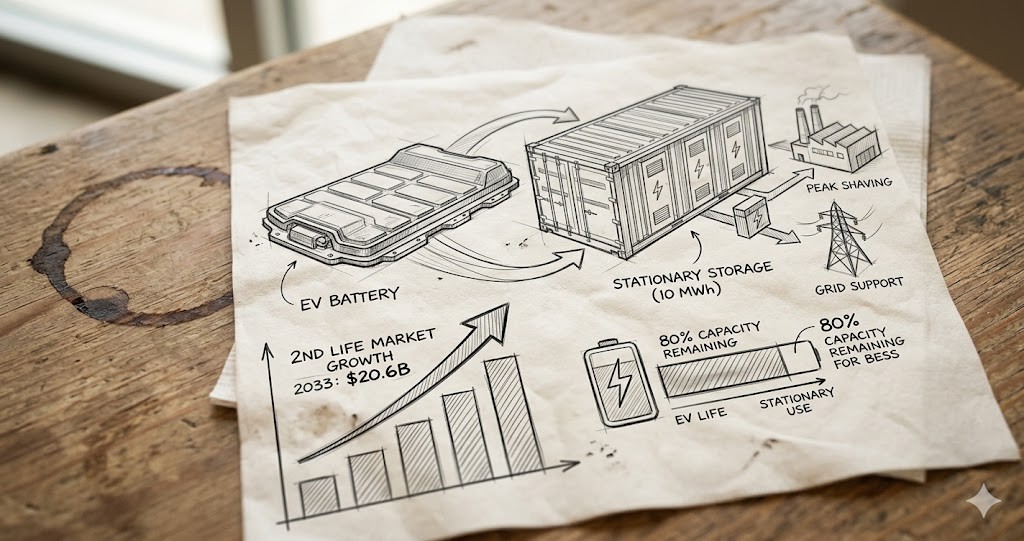
- 再利用の規模: 100個以上のリビアン製バッテリーパックを再利用。
- 蓄電容量: 10メガワット時(10 MWh)のソリューションを構築。
- 技術: レッドウッド独自の「Pack Manager」技術を用い、車載用パックを定置型システムへ統合します。
2. 導入のメリットと背景
このシステムは、単なるリサイクル以上の中長期的な価値を製造現場と電力網にもたらします。
- ピーク需要の抑制: 猛暑などで電力網に負荷がかかる際、蓄えられた電力を放出することで、工場全体のエネルギーコスト削減と電力網の安定化を図ります。
- インフラ整備の短縮: レッドウッドのJB・ストラウベルCEOは、新たな送電網インフラの建設には数年単位の時間がかかる一方で、既存のバッテリー資産を活用すれば迅速に発電・調整能力を稼働させられると指摘しています。
- 資産の最大活用: EVバッテリーは車両としての寿命(走行距離)を終えた後も、50パーセントから80パーセントの容量を維持しており、定置型蓄電池としては十分な性能を発揮します。
3. 急成長する「セカンドライフ」市場
EVバッテリーの再利用市場は、今後10年で爆発的な成長が見込まれています。
- 市場予測: 世界の再利用市場は2025年の約9億9000万ドルから、2033年には約206億6500万ドルへと急拡大する見通しです(年平均成長率 46.2パーセント)。
- 戦略的意義: 輸入に頼るエネルギー貯蔵資源への依存を減らし、国内の「バッテリー資産」を循環させることで、米国の製造業における競争力を高める狙いがあります。
関連情報・補足
- レッドウッド・マテリアルズ: テスラの共同創業者JB・ストラウベル氏が設立した企業で、バッテリーリサイクルおよび材料供給の世界的大手。
- エネルギー転換の加速: AIデータセンターや工場の電化により電力需要は急増しており、今回のような「拡張可能な蓄電池」は、電力網のパンクを防ぐための重要な「バッファー(緩衝材)」となります。
- 持続可能性: バッテリーをすぐに粉砕して素材に戻す(リサイクル)のではなく、まずはそのままの形で数年間再利用(リユース)することで、環境負荷をさらに低減することが可能です。
今回の提携は、EVメーカーが車両の販売だけでなく、その「後生」までをエネルギー資源として管理するサーキュラーエコノミー(循環型経済)の先駆けと言える事例です。
Rivian and Redwood Partnership: Giving EV Batteries a Second Life
As the disposal of retired vehicle batteries becomes a growing challenge alongside the rise of electric vehicles (EVs), Rivian and Redwood Materials have announced an innovative partnership to repurpose these batteries into stationary energy storage systems that support the power grid. This initiative is gaining attention not only for reducing waste but also as a practical and rapid solution to surging energy demands.
1. Partnership Overview and System Scale
A Battery Energy Storage System (BESS) utilizing used batteries will be deployed at Rivian’s manufacturing facility in Normal, Illinois.
- Scale of Reuse: Repurposing over 100 Rivian battery packs.
- Storage Capacity: Building a 10 megawatt-hour (10 MWh) solution.
- Technology: Integrating automotive packs into stationary systems using Redwood’s proprietary “Pack Manager” technology.
2. Benefits and Strategic Background
This system brings medium- to long-term value to both the manufacturing site and the power grid, going beyond simple recycling.
- Peak Demand Suppression: By discharging stored electricity during periods of high grid load—such as during extreme heatwaves—the system reduces overall factory energy costs and stabilizes the grid.
- Faster Infrastructure Deployment: Redwood CEO JB Straubel noted that while building new grid infrastructure can take years, utilizing existing battery assets allows for the rapid deployment of power generation and balancing capabilities.
- Maximizing Asset Utility: EV batteries often retain 50 percent to 80 percent of their capacity even after reaching the end of their vehicle service life, making them highly effective for stationary storage.
3. The Rapidly Growing “Second Life” Market
The market for EV battery reuse is projected to see explosive growth over the next decade.
- Market Forecast: The global reuse market is expected to expand rapidly from approximately 990 million dollars in 2025 to roughly 20.665 billion dollars by 2033 (at a compound annual growth rate of 46.2 percent).
- Strategic Significance: The goal is to reduce dependence on imported energy storage resources and enhance U.S. manufacturing competitiveness by circulating domestic “battery assets.”
Related Information and Notes
- Redwood Materials: A global leader in battery recycling and material supply, founded by Tesla co-founder JB Straubel.
- Accelerating Energy Transition: With electricity demand surging due to AI data centers and factory electrification, “scalable storage” like this acts as a vital buffer to prevent grid overload.
- Sustainability: By reusing batteries in their original form for several years (reuse) before shredding them for materials (recycling), the environmental footprint is reduced even further.
This partnership serves as a pioneering example of the circular economy, where EV manufacturers manage their vehicles not just through the initial sale, but as energy resources throughout their entire lifecycle.

コメント