世界の電気自動車(EV)シフトを牽引してきた中国の動力電池産業が、今まさに大きな転換点を迎えています。これまで市場を動かしてきた「大量生産と価格競争」というシンプルなルールは通用しなくなり、これからは技術、コスト、そして世界規模での展開力を網羅した「総合的なシステム構築」が勝敗を分ける時代へと突入しました。
中国メディアの報道や最新の統計データを交えながら、激変するEV電池産業の現状と、その背景にある関連情報を詳しく紐解きます。
1. バッテリー市場の現状:LFP電池(リン酸鉄リチウムイオン電池)の圧倒的シェア
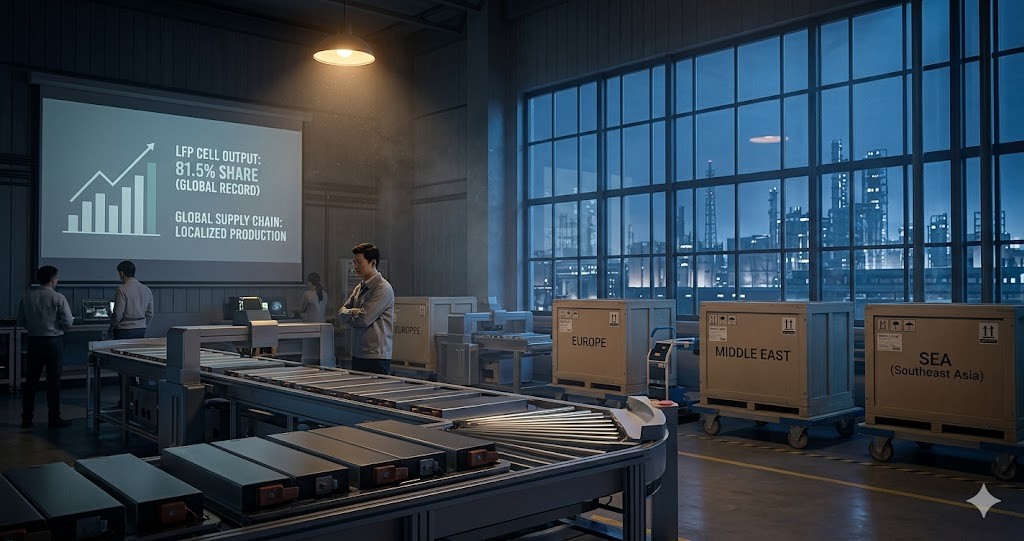
中国国内における2026年4月のEV用電池搭載容量は62.4GWhに達し、そのうち81.5%(50.8GWh)をLFP電池が占めて世界シェアの新記録を樹立しました。
- LFP電池が主流になった背景: 消費者の意識が「走行距離などの性能重視」から「車両価格の安さ、安全性、寿命、維持費」へと変化したためです。さらに、コストに敏感な電気トラックやハイブリッド車(PHEV)での採用が進んだことも普及を後押ししています。
- 関連情報(三元系電池との違い): LFP電池はレアメタル(コバルトやニッケル)を使用しないため安価で熱暴走しにくく安全性が高いのが特徴です。一方で、エネルギー密度が低く寒さに弱いという弱点があります。これに対して三元系電池(NMCなど)は、高価ですがエネルギー密度が高く、航続距離を伸ばしやすいという特徴があり、市場ではこの2つの住み分けと技術競争が続いています。
2. 産業規模の拡大と中国企業の海外進出
4月の電池総生産量は前年同月比55.6%増の183.9GWhと急成長を続けています。これに伴い、最大手のCATL(寧徳時代)や国軒高科などは、欧州、中東、東南アジアへの進出を加速させています。また、自動車メーカー(吉利汽車や広州汽車など)が自社グループ内で電池製造に新規参入する動きも活発化しています。
- 関連情報(海外進出の背景): 中国国内市場は供給過剰(生産のしすぎ)による激しい価格競争が起きており、企業は生き残りをかけて利益率の高い海外市場へ目を向けています。
3. 競争原理の変化:「システム構築競争」への移行
これまでは「工場を早く建てて大量生産し、安く売る」ことが勝ちパターンでした。しかし今後は、以下の要素を網羅した「総合的なシステム構築力」が企業の命運を握るとされています。
- 技術革新能力: 次世代電池(全固体電池など)の開発力。
- グローバル・サプライチェーンの確保: 原材料の調達からリサイクルまでを世界規模で安定させること。
- 現地生産能力と貿易障壁への対応: 米国(インフレ抑制法:IRA)や欧州(関税政策や電池規制)による中国排除の動きに対抗するため、現地に工場を建てて「地産地消」の体制を作ること。
今後の見通し 中国の電池メーカーは、単に「安くて良い電池を作る」だけでなく、各国の政治的な規制をクリアし、世界中で安定して製造・供給できる仕組み(システム)をどれだけ早く構築できるかという、新しい次元の戦いに挑んでいます。
A New Turning Point for China’s EV Battery Industry: LFP Batteries Exceed 80% Share as Global Strategy Becomes Urgent
The Chinese power battery industry, which has been driving the global shift toward electric vehicles (EVs), is currently at a major turning point. The simple rules of “mass production and price competition” that previously drove the market are no longer enough. The industry has entered an era where success depends on “comprehensive system building” that encompasses technology, cost, and global expansion capabilities.
Based on Chinese media reports and the latest statistical data, this article provides an in-depth analysis of the rapidly changing EV battery industry and its underlying context.
1. Current State of the Battery Market: The Overwhelming Share of LFP (Lithium Iron Phosphate) Batteries
In April 2026, China’s domestic installed capacity for EV batteries reached 62.4 GWh. Of this total, LFP batteries accounted for 81.5% (50.8 GWh), setting a new record for market share.
- Background of LFP Batteries Becoming the Mainstream: This shift occurred because consumer preferences have changed from focusing strictly on performance, such as driving range, to prioritizing vehicle affordability, safety, lifespan, and maintenance costs. Furthermore, the adoption of LFP batteries in cost-sensitive electric trucks, specialty vehicles, and plug-in hybrid electric vehicle (PHEV) models has accelerated their widespread use.
- Related Information (Differences from Ternary Batteries): LFP batteries do not use rare metals like cobalt or nickel, making them low-cost, highly safe, and resistant to thermal runaway. However, they have a lower energy density and perform less effectively in cold weather. In contrast, ternary lithium-ion batteries (such as NMC) are expensive but offer high energy density, making it easier to extend driving ranges. The market continues to see a clear division of roles and ongoing technological competition between these two battery types.
2. Expansion of Industry Scale and Overseas Advancement of Chinese Companies
The total production of power and energy storage batteries in April continued its rapid growth, reaching 183.9 GWh, up 55.6% year-on-year. In response, leading manufacturers such as CATL and Gotion High-Tech are accelerating their expansion into Europe, the Middle East, and Southeast Asia. Additionally, automakers like Geely (via Jiyao Tongxing) and GAC Group (via Renpei Battery) are actively entering the battery manufacturing sector within their own corporate groups.
- Related Information (Background of Overseas Expansion): The domestic market in China is facing intense price competition due to overcapacity (overproduction). As a result, companies are looking to higher-margin overseas markets to ensure their survival.
3. Changes in Competitive Principles: Shift to “System Building Competition”
In the past, the winning strategy was to quickly build factories, mass-produce, and sell at low prices. Moving forward, however, a company’s survival will depend on its “comprehensive system-building capability,” which encompasses the following elements:
- Technological Innovation Capability: The power to develop next-generation batteries, such as all-solid-state batteries.
- Securing a Global Supply Chain: Stabilizing everything from raw material procurement to recycling on a global scale.
- Local Production Capability and Response to Trade Barriers: Building local factories to establish a “local production for local consumption” model. This counteracts moves to exclude China from Western markets, such as the US Inflation Reduction Act (IRA) and European tariff policies and battery regulations.
Future Outlook Chinese battery manufacturers are no longer just focused on making “good, cheap batteries.” They are entering a new level of competition centered on how quickly they can navigate political regulations in various countries and build a robust system to manufacture and supply batteries reliably worldwide.

コメント