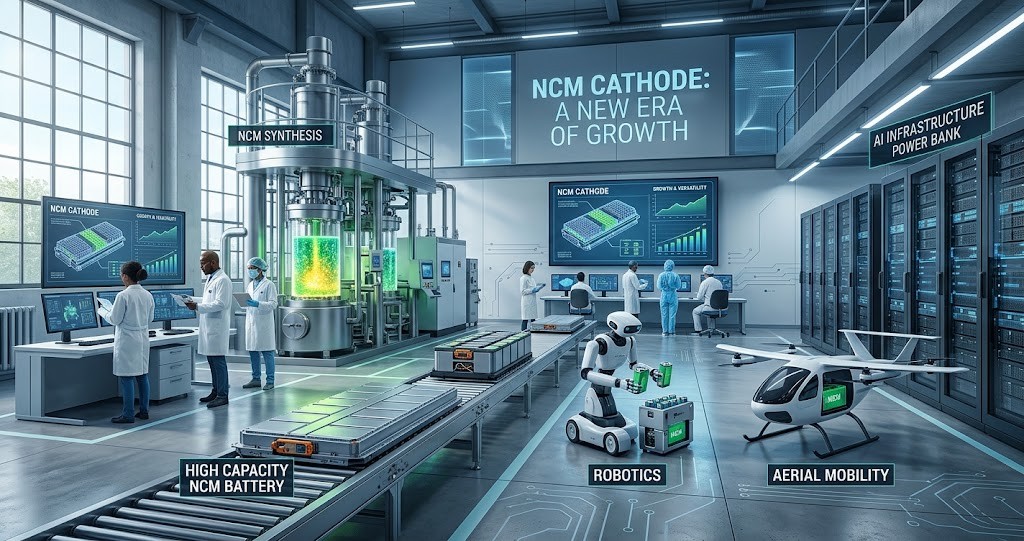
電気自動車(EV)市場の減速や価格面で優位に立つリン酸鉄リチウム(LFP)電池の台頭により、韓国の電池材料業界は大きな転換期を迎えています。こうした環境下で、正極材大手のEcoPro(エコプロ)が創立28周年を迎え、今後の事業戦略と高性能材料の将来展望を示しました。以下にニュースの要点と関連情報をまとめています。
ニュースの概要と重要ポイント
EcoProは2026年10月22日、慶尚北道浦項(ポハン)キャンパスにて創立28周年記念式を開催し、創業者の李東采(イ・ドンチェ)氏が今後の成長戦略について発表しました。
- 何が起きたか: 創立28周年記念式にて、不況期における技術開発・品質向上・原価削減の推進を全社に呼びかけた。
- なぜ重要か: EV需要の減速や低価格なLFP電池の普及により三元系電池材料が苦戦する中、中長期的に三元系(NCM/NCA)材料の需要が再拡大するとの見解を表明した。
- 次に見るべき点: EVにとどまらず、ロボット、AIインフラ(データセンター向け電力貯蔵など)、次世代モビリティなどの新規用途における三元系電池の需要拡大ペース、および浦項での原価低減効果。
EcoProの歩みと事業構造
1998年に環境事業からスタートした同社は、独自の供給網「クローズドループ(Closed Loop)」体制を軸に成長を遂げてきました。
| 項目 | 内容・詳細 |
| 創業と環境事業 | 1998年、資本金1億ウォン(約1,200万円)でスタート。半導体用ケミカルフィルターの国産化や温室効果ガス削減触媒の開発を手がける。 |
| 電池材料への進出 | 2000年代初頭に二次電池正極材事業へ参入。2013年に日本のソニーへNCA(ニッケル・コバルト・アルミニウム)正極材を供給し世界市場へ進出。 |
| クローズドループ生態系 | 2017年より浦項に約3兆3,000億ウォン(約3,900億円)を投資。前駆体生産、正極材製造、使用済み電池リサイクルを一体化した効率的な供給網を構築。 |
| 地域雇用と人材重視 | 全役職員の約90%が首都圏(ソウル周辺)以外の地域出身者で構成され、地域の人才育成と拠点の形成を重視。 |
関連情報と背景解説
- 三元系(NCM/NCA) vs リン酸鉄リチウム(LFP) 三元系電池はニッケル、コバルト、マンガン(またはアルミニウム)を使用し、高いエネルギー密度と優れた航続距離・出力を誇ります。一方で、鉄とリンを使うLFP電池は安全性が高く安価ですが、重量あたりのエネルギー密度でやや劣ります。近年はコスト重視のEVが増加しLFPがシェアを広げていますが、高いエネルギー密度を要する高性能EVやヒューマノイドロボットなどでは三元系が優位とされています。
- 新市場(AI・ロボット)におけるバッテリー需要 ヒューマノイドロボットやAIデータセンター用のバックアップ電源(UPS/ESS)など、限られたスペースで高い電力供給が求められる分野において、三元系電池の採用が期待されています。ただし現時点では、市場の大部分を占めるEV向け需要に比べると開発・普及の途上にあります。
出典:https://finance.biggo.jp/news/8ba9a61b-7014-47a8-9cf1-8146f1cec3cb
EcoPro Marks 28th Anniversary, Reaffirming Long-Term Growth in Ternary Cathode Material Business
The electric vehicle (EV) battery materials industry in South Korea is facing a major turning point due to the slowdown in EV market growth and the rise of lithium iron phosphate (LFP) batteries, which offer a cost advantage. Against this backdrop, EcoPro, a leading cathode material manufacturer, celebrated its 28th anniversary and outlined its future business strategy alongside the long-term outlook for high-performance materials. Below is a summary of the key news highlights and related industry context.
News Summary and Key Highlights
EcoPro held its 28th anniversary ceremony at its Pohang Campus in North Gyeongsang Province on October 22, 2026, where founder Lee Dong-chae announced the company’s future growth strategy.
- What Happened: At the 28th anniversary ceremony, the founder called on the entire company to advance technological development, improve quality, and drive cost reductions during the industry downturn.
- Why It Matters: Amid headwinds for ternary battery materials caused by sluggish EV demand and the growing popularity of lower-cost LFP batteries, EcoPro expressed confidence that demand for ternary (NCM/NCA) materials will expand again over the medium to long term.
- What to Watch Next: The pace of demand growth for ternary batteries in emerging applications beyond EVs—such as robotics, AI infrastructure (e.g., power storage for data centers), and next-generation mobility—as well as the cost-reduction impacts achieved at the Pohang facility.
EcoPro’s History and Business Structure
Founded in 1998 as an environmental engineering business, EcoPro has grown into a global leader by building a proprietary “Closed Loop” supply chain system.
| Item | Details & Specifics |
| Founding & Environmental Business | Started in 1998 with capital of 100 million KRW (approx. 12 million JPY). Developed local production of semiconductor chemical filters and greenhouse gas reduction catalysts. |
| Expansion into Battery Materials | Entered the secondary battery cathode material market in the early 2000s. In 2013, began supplying NCA (nickel-cobalt-aluminum) cathode materials to Sony in Japan, entering the global market. |
| Closed Loop Ecosystem | Invested approximately 3.3 trillion KRW (approx. 390 billion JPY) in Pohang since 2017. Established an efficient integrated supply network connecting precursor production, cathode manufacturing, and battery recycling. |
| Regional Employment & Focus on Talent | Approximately 90% of employees are from regions outside the Seoul metropolitan area, demonstrating a strong commitment to regional talent development and industrial hub creation. |
Related Information and Background Context
- Ternary (NCM/NCA) vs. Lithium Iron Phosphate (LFP) Ternary batteries utilize nickel, cobalt, and manganese (or aluminum) to achieve high energy density, superior driving range, and high power output. In contrast, LFP batteries use iron and phosphate, offering high safety and lower production costs, though with slightly lower energy density per unit weight. While cost-conscious EVs have recently increased LFP’s market share, ternary batteries retain a clear advantage in high-performance EVs, humanoid robots, and applications requiring high energy density.
- Battery Demand in New Markets (AI & Robotics) Ternary batteries are expected to play a key role in emerging sectors that require high power delivery within limited spaces, such as humanoid robotics and backup power supplies (UPS/ESS) for AI data centers. However, these applications are still in the development and early adoption phase compared to the mainstream EV market.


コメント