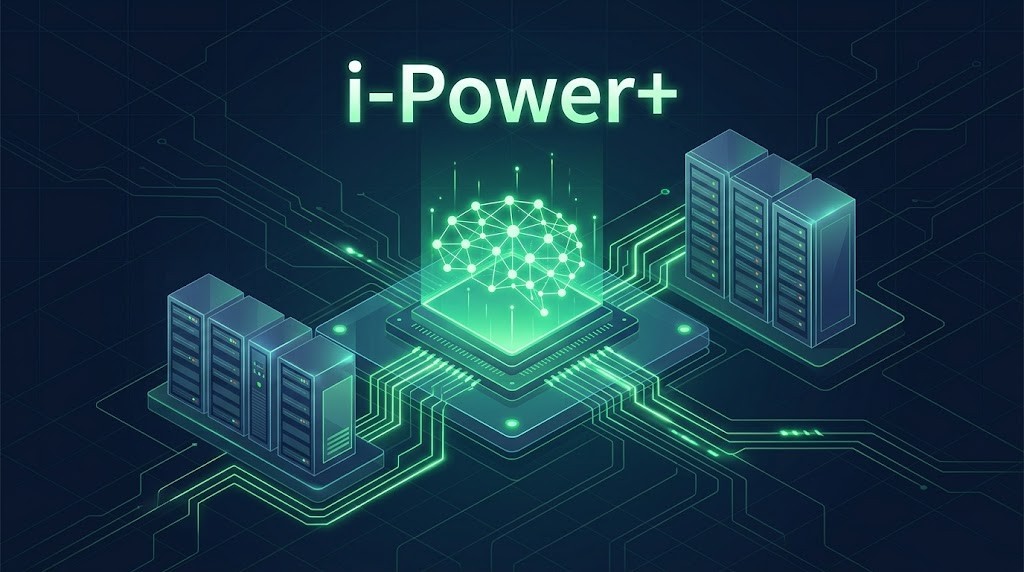
人工知能(AI)の急速な普及に伴い、AIデータセンターやハイパースケール・コンピューティング施設における電力消費量が世界的に急増しています。これに伴い、短時間での負荷変動への追従性、高い安全性、そして無停電電源やピークシフトを担う高度なバッテリーエネルギー貯蔵システム(BESS)の需要が高まっています。こうした背景のもと、欧州のバッテリー開発革新企業であるInoBatと、アナログ/ミックスドシグナル半導体およびエッジAI技術のグローバル大手であるアナログ・デバイセズ(ADI)が、次世代インテリジェントBESSプラットフォーム「i-Power+」の開発に向けた覚書(MOU)を締結しました。
提携の概要と主要技術要素
- 締結日: 2026年10月19日
- 提携目的: AIデータセンター、ハイパースケールコンピューティング、および系統用(公益事業規模)エネルギー貯蔵の膨大な電力需要に対応する、インテリジェントなBESSプラットフォーム「i-Power+」の開発検討。
- 初期開発拠点: アイルランド・リメリックにあるADIのイノベーションアクセラレーター「ADI Catalyst」にてパイロット活動を実施。システムアーキテクチャの確立、共同開発パートナー/サプライヤーの選定、およびプロトタイプの製作を進めます。
導入される先進技術のポイント
- 無線バッテリー管理システム(wBMS): セルとバッテリー管理ユニット(BMU)間の物理的な配線を大幅に削減・不要化。重量や容積を削減するとともに、組立て性の向上と故障リスクの低減を実現します。
- 電気化学インピーダンス分光法(EIS)と異常検知: EISに基づく高度な診断アルゴリズムを組み込み、電池の劣化状態(SoH)や充電状態(SCoA/SCoD)を高精度に測定。セルの異常を早期発見し、バッテリーパック全体のサイクル寿命延伸と安全性を確保します。
- リン酸鉄リチウム(LFP)からナトリウムイオン電池(Na-ion)への展開: 主力となるLFP型BESSプラットフォームでの実証に加え、将来的にはナトリウムイオン電池を用いたBESSへの適用も検討。セルレベルの電圧・温度・EISモニタリングを通じて、ナトリウムイオン電池特有の劣化挙動の解析と最適化を図ります。
両社トップのコメント
- InoBat CEO マリアン・ボチェク氏: 「AIデータセンターとハイパースケールコンピューティングは、電力網とエネルギー貯蔵に求められるスピード、インテリジェンス、信頼性をこれまでにない規模で再定義しています。InoBatの電池技術とADIのエッジ/クラウドAI機能を組み合わせることは、業界が必要とする電力プラットフォーム構築に向けた自然な一歩です」
- ADI EMEA地域最高事業責任者兼社長 マーティン・コッター氏: 「AIが世界のエネルギー需要を再構築する中、インテリジェントな蓄電池は安全で効率的かつ信頼性の高い電力供給に不可欠です。InoBatとの協力により、予測インテリジェンスをエッジデバイスに近づけ、次世代エネルギーインフラの加速を支援します」
関連背景と解説(補足情報)
- AIデータセンターとBESS保護アーキテクチャの急速な需要拡大: AI学習・推論用サーバー群の電力負荷変化は極めて激しく、従来のUPS(無停電電源装置)だけでなく、BBU(バッテリーバックアップユニット)や系統側ESSを連携させた高精度な電源保護アーキテクチャが不可欠となっています。
- wBMS(ワイヤレスBMS)のBESS・EV市場におけるトレンド: ADIは車載・産業向けワイヤレスBMS市場を牽引しており、ハーネス(配線)を削除することでモジュール設計の柔軟性を高め、セル交換やリユース(二次利用)を容易にする利点を持っています。大型BESS構造への応用は、メンテナンス性向上に直結します。
- EIS(電気化学インピーダンス分光法)によるリアルタイム診断: 交流信号を用いて電池内部の抵抗成分を周波数ごとに分離測定する技術です。研究室レベルの測定機器であったEISをエッジICチップ化(ADIの強み)してBESSに組み込むことで、セルの微小な内部ショートやリチウム析出などの前兆をリアルタイムで検知可能になります。
- ナトリウムイオン電池(Na-ion)への展開の重要性: リチウム不使用によるコスト低減と資源リスク回避が期待されるナトリウムイオン電池は、定置用BESSの次世代候補として注目されています。一方で、相変移や溶媒錯体の挙動がリチウムイオン電池と異なるため、高度なEIS診断アルゴリズムによる状態監視が実用化のカギとなります。
出典:https://www.bestmag.co.uk/inobat-adi-join-on-intelligent-battery-storage/
InoBat and ADI Partner to Develop Intelligent BESS Platform for AI Data Centers
With the rapid adoption of artificial intelligence (AI), power consumption in AI data centers and hyperscale computing facilities is surging globally. Consequently, there is growing demand for advanced battery energy storage systems (BESS) capable of managing rapid load fluctuations, ensuring high safety, and providing uninterrupted power supply (UPS) and peak-shaving capabilities. Against this backdrop, InoBat, a European battery technology innovator, and Analog Devices, Inc. (ADI), a global leader in analog/mixed-signal semiconductors and edge AI technology, signed a Memorandum of Understanding (MOU) to explore the development of “i-Power+,” a next-generation intelligent BESS platform.
Overview and Key Technological Elements of the Partnership
- Date of Agreement: October 19, 2026
- Purpose: To evaluate the development of “i-Power+,” an intelligent BESS platform designed to meet the vast energy demands of AI data centers, hyperscale computing, and utility-scale energy storage.
- Initial Development Site: Pilot activities will be conducted at ADI Catalyst, ADI’s innovation accelerator in Limerick, Ireland. The focus will be on establishing system architecture, identifying co-development partners and key suppliers, and building prototype units.
Key Points of Advanced Technologies Introduced
- Wireless Battery Management System (wBMS): Substantially reduces or eliminates physical wiring between battery cells and battery management units (BMUs). This reduces weight and volume while improving manufacturability and mitigating potential failure risks.
- Electrochemical Impedance Spectroscopy (EIS) and Anomaly Detection: Integrates advanced diagnostic algorithms based on EIS to accurately measure battery State of Health (SoH) and State of Charge (SoC). Early detection of cell anomalies extends overall battery pack cycle life and enhances safety.
- Expansion from Lithium Iron Phosphate (LFP) to Sodium-ion Batteries (Na-ion): Beyond demonstration on the flagship LFP-based BESS platform, the companies plan to evaluate applying this intelligent architecture to sodium-ion BESS. Cell-level voltage, temperature, and EIS monitoring will enable analysis and optimization of degradation behaviors unique to sodium-ion chemistry.
Executive Statements
- Marian Bocek, CEO of InoBat: “AI data centers and hyperscale computing are redefining the demands on power grids and energy storage—demanding speed, intelligence, and reliability at an unprecedented scale. Combining InoBat’s battery technology with ADI’s intelligence and edge/cloud AI capabilities is a natural step toward building the power platform this industry truly needs.”
- Martin Cotter, President of EMEA and Chief Business Officer at ADI: “As AI reshapes global energy demands, intelligent battery storage will be essential for safe, efficient, and reliable power delivery. By collaborating with InoBat, we are bringing predictive intelligence closer to edge devices to help accelerate next-generation energy infrastructure.”
Related Context and Supplementary Information
- Surging Demand for AI Data Centers and BESS Power Protection Architecture: Power load fluctuations in AI training and inference server clusters are exceptionally sharp. This renders advanced power protection architectures—integrating traditional UPS, battery backup units (BBUs), and grid-side ESS—indispensable.
- wBMS Market Trends in BESS and EVs: ADI leads the market in wireless BMS for automotive and industrial applications. Eliminating wiring harnesses enhances module design flexibility and facilitates cell replacement or second-life repurposing. Applying wBMS to large-scale BESS directly improves maintainability.
- Real-time Diagnostics via Electrochemical Impedance Spectroscopy (EIS): EIS uses AC signals to measure and separate internal battery resistance components by frequency. By embedding EIS capability—traditionally limited to laboratory instruments—onto edge IC chips (ADI’s core strength), subtle precursors to micro-short circuits or lithium plating can be detected in real time.
- Strategic Importance of Expanding to Sodium-ion Batteries (Na-ion): Sodium-ion batteries are drawing significant interest as next-generation candidates for stationary BESS due to cost reductions and reduced resource supply risks from eliminating lithium. However, because their phase transitions and solvent complex behaviors differ from lithium-ion batteries, advanced EIS diagnostic algorithms for real-time condition monitoring are key to commercial adoption.

コメント