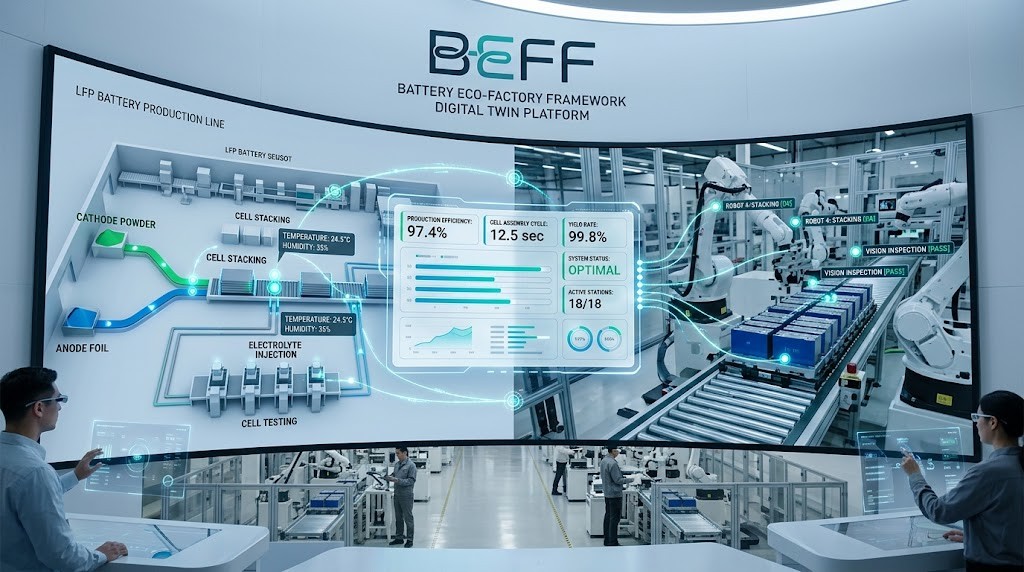
電池製造の共通インフラ構築を目指す国内スタートアップのBeffが、シリーズA Finalクローズで約3億円を追加調達し、ラウンド累計で約7.5億円(リリース本文中では累計9.5億円に言及)の資金調達を完了しました。本件は、サプライチェーンの自国化や多品種少量生産へのシフトが進む現在の電池業界において、製造ノウハウの属人化や歩留まり改善という構造的課題に一石を投じる動きとして注目されます。以下に、記事の要約と関連情報を交えた詳細な解説をまとめました。
資金調達の概要と背景
- 調達内容: シリーズA Finalクローズにて第三者割当増資により約3億円を追加調達し、ラウンド累計額は約7.5億円に到達。
- 主要な引受先:
- リード投資家:株式会社ジェネシア・ベンチャーズ
- 既存・新規投資家:三菱UFJキャピタル株式会社、住商ベンチャー・パートナーズ株式会社、JM Strategic Innovation Fund(運営:Spiral Innovation Partners)
- 資金使途:
- グローバル人材の採用強化
- 自社ラボへの設備投資および開発基盤の拡充
- プラットフォーム(Beff Navigator / VFP / RFP)の開発・機能拡張加速
Beffの事業モデルと提供ソリューション
Beffは、熟練技術者に依存してきた電池の開発から量産までのプロセスをデジタル化し、産業全体の生産性向上を支援するプラットフォームを展開しています。
- Beff Navigator: 材料データ、設計図、評価条件、測定結果などの複雑な情報を統合し、開発期間の大幅な短縮を可能にする独自解析モデルのソフトウェア。
- Virtual Factory Platform (VFP) と Real Factory Platform (RFP): 仮想空間と現実の製造現場を融合させた電池製造の基幹システム。製造条件や検査パラメータを活用し、不良の未然防止や歩留まりの改善を包括的に支援。
業界動向と関連する背景・考察
- 中国依存からの脱却とローカル生産への移行: これまでの電池産業は、中国を中心とした巨大資本による「大量生産・低コスト」モデルが主流でした。しかし、経済安全保障やサプライチェーンの強靭化を背景に、日本、米国、欧州など各国・各社が自国内や友好国での製造能力保有を急ピッチで進めています。
- 「量産化の壁」とノウハウのデジタル化: ラボスケールでの開発から、安定した歩留まりを確保する商用量産へのスケールアップには、膨大な試行錯誤と高度な専門知見(暗黙知)が不可欠です。労働人口の減少や技術者不足が深刻化する中、Beffのようなソフトウェアとハードウェアの一体型開発基盤のニーズは、データセンター向け蓄電池(BBU等)や車載・産業用分野の多様化に伴い、今後さらに高まると見込まれます。
出典:https://news.infoseek.co.jp/article/prtimes_000000006_000148731/
Preventing Personal Knowledge Dependency and Improving Yield in Battery Manufacturing: Beff’s Data Integration Platform and the Background Behind Its Fundraising
Japanese startup Beff, which aims to build common infrastructure for battery manufacturing, has raised an additional 300 million JPY in its Series A Final close, bringing the total raised in this round to approximately 750 million JPY (with cumulative funding reaching 950 million JPY as noted in the press release). Amid the current battery industry trends toward supply chain localization and a shift to high-mix, low-volume production, this move is attracting attention for addressing structural challenges such as reliance on individual engineering know-how and yield rate improvements. Below is a detailed summary combining key article points and relevant contextual information.
Overviews and Background of the Fundraising
- Funding Details: Raised an additional 300 million JPY through a third-party allotment in the Series A Final close, bringing the round total to approximately 750 million JPY.
- Main Investors:
- Lead Investor: Genesia Ventures, Inc.
- Existing & New Investors: Mitsubishi UFJ Capital Co., Ltd., Sumisho Venture Partners, Inc., and JM Strategic Innovation Fund (operated by Spiral Innovation Partners)
- Use of Funds:
- Strengthening recruitment of global talent
- Capital investments in its in-house laboratory and expansion of the development base
- Accelerating feature expansion and development of its platforms (Beff Navigator / VFP / RFP)
Beff’s Business Model and Solutions Beff develops and operates platforms that digitize the battery development-to-mass-production process—which previously relied heavily on experienced engineers—to improve productivity across the entire industry.
- Beff Navigator: Software featuring a proprietary analytical model that integrates complex information such as material data, blueprints, evaluation conditions, and measurement results to significantly shorten development timelines.
- Virtual Factory Platform (VFP) and Real Factory Platform (RFP): Core battery manufacturing systems that integrate virtual environments with real manufacturing sites. By leveraging manufacturing parameters and inspection results, they comprehensively support defect prevention and yield improvement.
Industry Trends, Background, and Insights
- Shift Away from China Reliance toward Local Production: The battery industry has long been dominated by a “mass production, low cost” model driven by large-scale capital, particularly from Chinese companies. However, driven by economic security concerns and supply chain resilience, countries and companies across Japan, the US, and Europe are rapidly moving to establish domestic and allied manufacturing capacity.
- The “Mass Production Wall” and Digitization of Know-How: Scaling up from laboratory development to commercial mass production while maintaining stable yields requires extensive trial-and-error and specialized tacit knowledge. As labor shortages and engineer deficits intensify, the demand for integrated software and hardware development infrastructure like Beff’s is expected to grow, particularly across diversified applications such as data center battery backup units (BBU) and automotive or industrial uses.


コメント