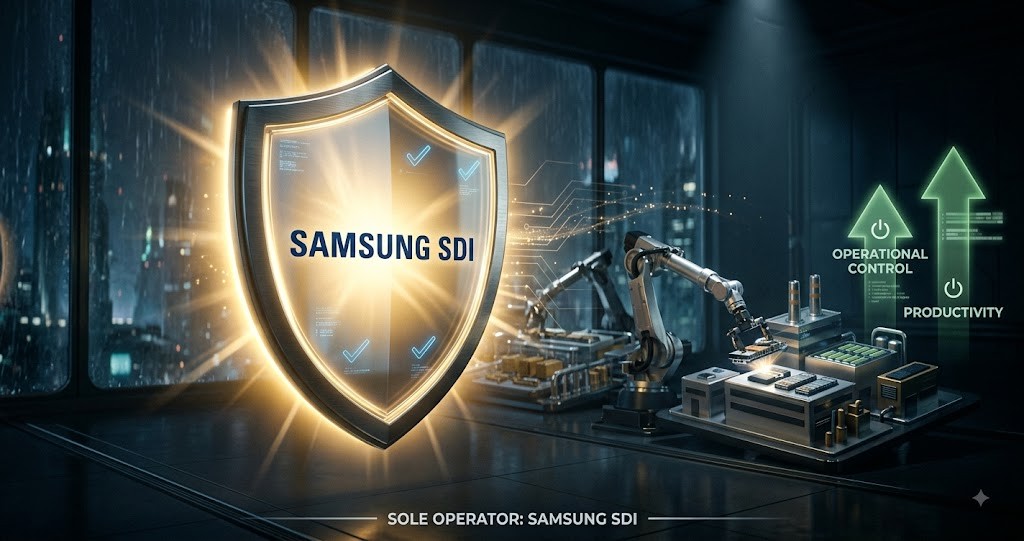
ゼネラル・モーターズ(GM)は、米インディアナ州ニューカーライルで計画していた 35億ドル 規模の電気自動車(EV)用電池合弁会社 SynergyCells について、保有する約 50%(49.99%)の持ち分すべてをパートナーである韓国のサムスンSDIに売却することを決定しました。これにより、同工場はサムスンSDIの完全所有・単独運営に移行し、同社にとって北米で初となる単独の電池生産拠点となります。
1. 合弁事業と売却の具体的内容
- 建設用地と進捗: ニューカーライルにある 680エーカー(約275ヘクタール)の用地には建屋が既に建設されていますが、生産設備は導入されていません。GMはこれまで用地開発などに約 3億ドル を投じてきました。
- 当初の計画: 年間生産能力 27ギガワット時(27 GWh)、約1,600名の雇用創出を見込み、2027年の量産開始を目指していました。
- 売却後の工場の活用戦略: サムスンSDIは、EV需要の低迷による生産余力を北米で急成長している電力貯蔵システム(ESS)向け電池生産へと転換する計画です。また、将来的にはGMと共同開発する次世代角型電池の生産ラインとしても活用される予定です。
2. GMの戦略的撤退の背景と関連情報
- EV需要の減速: 2025年9月に米国の 7,500ドル 連邦税額控除が失効した影響などもあり、米国市場におけるEV需要は急速に冷え込んでいます。
- 巨額の減損処理と相次ぐ規模縮小: GMはこれまでにEV関連事業で 110億ドル の減損を計上しています。今回の持ち分売却のほかにも、Ultium Cellsの合弁相手であるLGエナジーソリューションに対して別の計画中電池工場の持ち分を売却した実績があります。
- 既存工場もESS向けへ転換: 2026年3月には、GMとLGエナジーソリューションがテネシー州にある既存のEV電池工場の一部を電力貯蔵システム(ESS)向け生産へ転換する計画を発表しています。
- 経営方針のシフト: GMは急進的な製造能力の拡大から離れ、将来の設備投資を抑えつつ、高い収益性が見込めるEVモデルや既存のUltiumブランドの生産能力活用にリソースを集中させる「資本規律優先」の姿勢を明確にしています。
3. 両社の今後の関係性
- 新共同開発契約(JDA)の締結: 合弁の解消後もGMとサムスンSDIの協力関係は継続します。両社は高エネルギー密度と急速充電技術を備えた次世代角型電池(Prismatic Battery)の共同開発協定を新たに締結しており、将来的なGMの次世代EVモデルへの搭載を目指しています。
出典:https://finance.biggo.jp/news/e6b496d4-77e4-495d-a9c0-116ea53fbcf2
GM Exits US Battery Joint Venture: Samsung SDI Transitions to Full Ownership and Sole Operation
General Motors (GM) has decided to sell its entire stake of approximately 50 percent (49.99 percent) in SynergyCells, a 3.5 billion USD electric vehicle (EV) battery joint venture planned in New Carlisle, Indiana, to its partner, South Korea’s Samsung SDI. As a result, the plant will transition to full ownership and sole operation by Samsung SDI, becoming the company’s first standalone battery production site in North America.
1. Details of the Joint Venture and Sale
- Site and Progress: Buildings have already been constructed on the 680-acre (approximately 275-hectare) site in New Carlisle, but production equipment has not yet been installed. GM has invested approximately 300 million USD to date in site development and related efforts.
- Initial Plan: The project targeted an annual production capacity of 27 gigawatt-hours (27 GWh), the creation of about 1,600 jobs, and the start of mass production in 2027.
- Post-Sale Strategy: Samsung SDI plans to pivot surplus capacity resulting from the EV demand slowdown toward battery production for energy storage systems (ESS), a market experiencing rapid growth in North America. Additionally, the facility is expected to serve as a production line for next-generation prismatic batteries co-developed with GM in the future.
2. Background and Context of GM’s Strategic Withdrawal
- EV Demand Slowdown: EV demand in the US market has cooled rapidly, partly due to the expiration of the 7,500 USD federal tax credit in September 2025.
- Massive Impairments and Downsizing: GM has recorded 11 billion USD in impairment charges related to its EV operations to date. In addition to this stake sale, GM previously sold its stake in another planned battery plant to LG Energy Solution, its partner in Ultium Cells.
- Pivoting Existing Plants to ESS: In March 2026, GM and LG Energy Solution announced plans to convert a portion of an existing EV battery plant in Tennessee to production for energy storage systems (ESS).
- Shift in Management Strategy: GM is moving away from aggressive manufacturing expansion and making a clear shift toward prioritizing capital discipline, reducing future capital expenditures while concentrating resources on high-margin EV models and utilizing existing Ultium brand capacity.
3. Future Relationship Between the Two Companies
- Joint Development Agreement (JDA): Even after dissolving the joint venture, GM and Samsung SDI will maintain their collaborative relationship. The two companies have signed a new joint development agreement for next-generation prismatic batteries featuring high energy density and fast-charging technology, aiming for deployment in GM’s future EV models.

コメント