—— 2030年のサプライチェーン完結と2035年の覇権確立に向け、研究成果の産業化を加速 ——
米国エネルギー省(DOE)は2026年10月28日、包括的な「国家電池戦略」を公表し、研究室レベルの先端電池技術を米国内の製造現場へと橋渡しする新コンソーシアム「BattMan(Battery Manufacturing Accelerator)」を発足させました。
輸送用および系統蓄電用の米国内電池需要が、2025年の179GWhから2035年には約707GWhへと約4倍に急増すると見込まれる中、サプライチェーンのボトルネック解消と経済・エネルギー安全保障の確立を目指す国家プロジェクトが本格始動します。
1. ニュースの概要と主要目標
- 発表日: 2026年10月28日(米エネルギー省 重要鉱物・エネルギーイノベーション局)
- 主要目標:
- 2030年まで: 米国内におけるエンドツーエンドのサプライチェーン(バリューチェーン)の完成
- 2035年まで: 電池技術および製造面における米国の主導権の確立
- 需要予測: 輸送・蓄電向け電池需要が2025年の179GWhから2035年には約707GWhへ急増。背景には、電動化の進展に加え、AIデータセンター等による電力需要の爆発的な伸びがある。
2. 「BattMan」コンソーシアムの体制と狙い
- 正式名称: Battery Manufacturing Accelerator(通称:BattMan)
- 主導機関:
- パシフィック・ノースウェスト国立研究所(PNNL)
- オークリッジ国立研究所(ORNL)
- アルゴンヌ国立研究所(ANL)
- ロッキー山脈国立研究所(NREL)
- 学術パートナー: ワシントン大学、ビンガムトン大学、アラバマ大学、アリゾナ州立大学、ミシガン大学ディアボーン校
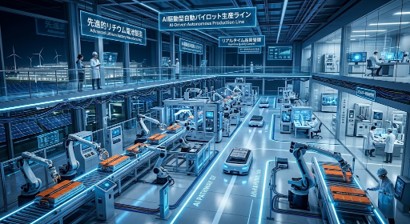
- 役割: 基礎研究の成果と商業生産の間にある「死の谷」を埋めること。オークリッジの電池製造施設研究センターを活用し、湿式・乾式両プロセスの試験や、AI駆動型の自律型パイロットライン(リアルタイム監視・異常検知による自動パラメーター調整)の構築を推進する。
3. 国家電池戦略の6つの優先分野と背景課題
戦略では、これまでの「セルやパックの最終組み立てへの偏重」を反省し、上流・中間工程の強化へ舵を切っています。
- 上流・中間工程の強化: 鉱業、精錬、正極材・負極材、電解質、セパレーターの加工など、これまで外部に依存していたサプライチェーンの国内構築。
- 研究成果の商業化加速
- 製造プロセスのイノベーション
- 系統近代化に向けた蓄電設備の導入
- 戦略的な国際パートナーシップ
- 人材育成
また、技術的課題として、可燃性リスクの克服(安全性の向上)、コスト削減、充電高速化と並び、「米国内で調達できる豊富な元素の活用」を掲げ、重要鉱物への過度な依存を回避する狙いがあります。
4. 専門的視点・関連する考察
- サプライチェーン構築と国際関係への影響 米国が電解質や正極材、製造装置を含む中間工程の自給自足を目指す動きは、日本や韓国など既存の強力なサプライヤーとの間で競合・協調のバランスを問われる要素となります。特に、リチウムイオン電池の基礎技術や材料・製造装置分野で高い競争力を持つ同盟国との関係性が、今後の実装スピードを左右する鍵となります。
- 次世代プロセス(乾式電極など)とAI実装のインパクト オークリッジ等を中心としたスマートテストベッドや、AIプラットフォームによる自律型パイロットラインの導入は、製造歩留まりの向上やコスト削減においてゲームチェンジャーとなる可能性があります。特に乾式電極プロセスの実用化は、溶剤回収工程や乾燥エネルギーの大幅な削減につながるため、今後の進捗に注目が集まります。
出典:https://finance.biggo.jp/news/d989adf2-d7a0-4e05-84f6-f41f4768808b
US DOE Unveils National Battery Strategy to Complete Domestic Supply Chain by 2030
—— Accelerating the industrialization of research outcomes to achieve supply chain completion by 2030 and technological supremacy by 2035 ——
On October 28, 2026, the U.S. Department of Energy (DOE) released a comprehensive “National Battery Strategy” and launched a new consortium, “BattMan (Battery Manufacturing Accelerator),” designed to bridge the gap between laboratory-scale advanced battery technologies and domestic manufacturing floors.
As U.S. battery demand for transportation and grid storage is projected to surge nearly fourfold from 179 GWh in 2025 to approximately 707 GWh in 2035, this national initiative is officially underway to eliminate supply chain bottlenecks and establish economic and energy security.
1. News Overview and Key Objectives
- Announcement Date: October 28, 2026 (U.S. Department of Energy, Office of Critical Minerals and Energy Innovation)
- Key Objectives:
- By 2030: Completion of an end-to-end domestic supply (value) chain within the United States.
- By 2035: Establishment of U.S. leadership in battery technology and manufacturing.
- Demand Forecast: Battery demand for transportation and storage is projected to surge from 179 GWh in 2025 to approx. 707 GWh by 2035. This is driven by accelerating electrification alongside explosive growth in power demand from AI data centers and grid modernization.
2. Structure and Objectives of the “BattMan” Consortium
- Official Name: Battery Manufacturing Accelerator (known as “BattMan”)
- Lead Institutions:
- Pacific Northwest National Laboratory (PNNL)
- Oak Ridge National Laboratory (ORNL)
- Argonne National Laboratory (ANL)
- National Renewable Energy Laboratory (NREL)
- Academic Partners: University of Washington, Binghamton University, University of Alabama, Arizona State University, and University of Michigan-Dearborn.
- Role: To bridge the “valley of death” between basic research outcomes and commercial production. Utilizing Oak Ridge’s Battery Manufacturing Facility research center, the consortium will promote testing for both wet and dry electrode processes, as well as the development of AI-driven autonomous pilot lines featuring real-time monitoring and anomaly detection for automatic parameter adjustment.
3. Six Priority Areas and Background Challenges of the National Strategy
The strategy reflects a shift away from past over-reliance on the final assembly of cells and packs, steering focus toward strengthening upstream and midstream processes.
- Strengthening Upstream and Midstream Processes: Building domestic supply chains for mining, refining, and the processing of cathode/anode materials, electrolytes, and separators, which have traditionally relied on external suppliers.
- Accelerating the Commercialization of Research Outcomes
- Manufacturing Process Innovation
- Deploying Energy Storage for Grid Modernization
- Strategic International Partnerships
- Workforce Development
Additionally, alongside technical challenges such as overcoming flammability risks (enhancing safety), reducing production costs, and enabling fast charging, the strategy highlights the “utilization of abundant domestic elements” to avoid excessive dependence on critical minerals.
4. Professional Perspectives & Analytical Considerations
- Supply Chain Construction and Impact on International Relations: The U.S. push toward self-sufficiency in midstream processes—including electrolytes, cathode materials, and manufacturing equipment—raises questions regarding the balance of competition and cooperation with established, powerful suppliers in countries like Japan and South Korea. In particular, relationships with allied nations that hold high competitiveness in lithium-ion battery fundamental technologies, materials, and manufacturing equipment will be key determinants of implementation speed.
- Impact of Next-Generation Processes (e.g., Dry Electrodes) and AI Implementation: The introduction of smart testbeds centered around Oak Ridge and autonomous pilot lines powered by AI platforms could be game-changers for improving manufacturing yields and cutting costs. In particular, the commercialization of dry electrode processes is drawing intense interest due to its potential to dramatically reduce solvent recovery steps and drying energy requirements.


コメント