次世代の自動車市場や電子機器の命運を握るとされる「全固体リチウムイオン電池(以下、全固体電池)」。電気自動車(EV)の航続距離を飛躍的に伸ばし、充電時間を劇的に短縮する技術として、世界中で激しい開発競争が繰り広げられています。
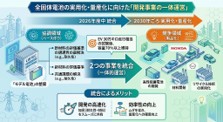
日本政府(経済産業省)は、2030年ごろの実用化・量産化を確実なものにするため、これまで「協調領域(業界共通の基礎研究)」と「競争領域(各企業の製品開発)」に分かれていた2つの国家プロジェクトを2026年度中に統合するという、大きな舵取りを行いました。本記事では、この報道の概要と、全固体電池が注目される背景について整理・解説します。
- ニュースの概要:経産省による「開発事業の一体運営」
- 💡 関連情報の補足:そもそも「全固体電池」とは?
- まとめと今後の展望
ニュースの概要:経産省による「開発事業の一体運営」
経産省は、全固体電池の実用化を加速させるため、独立していた2つの事業を統合し、一体的な開発体制を構築します。
統合される2つの事業
- 協調領域(ベース作り):ソリッドネクスト事業
- 主導: リチウムイオン電池材料評価研究センター(LIBTEC)
- 役割: 新材料の評価基準となる「モデル電池」の整備、耐久性や寿命に関する共通課題の解決。
- 目標: EVで30万キロ走行相当の試験後も、電池容量70%以上を維持する耐久性の実現。
- 競争領域(製品化):グリーンイノベーション(GI)基金事業
- 主導: ホンダ、日産自動車などの各企業
- 役割: 企業ごとの強みを活かした高性能蓄電池や材料の開発、リサイクル技術の実用化。
統合によるメリット
- 開発の高速化: 共通基盤で得られた耐久性や材料の知見(協調領域の成果)が、各企業の製品開発(競争領域)へスムーズに共有されます。
- 効率性の向上: 材料・電池開発のムダを省き、量産化への確度を高めます。
💡 関連情報の補足:そもそも「全固体電池」とは?
ニュースをより深く理解するために、全固体電池の基礎知識と現在の立ち位置を補足します。
従来の電池との違い
従来のリチウムイオン電池は内部の電解質に「液体(有機電解液)」を使用していますが、全固体電池はその名の通り「固体」の電解質を使用します。
主なメリット
- 圧倒的な安全性: 液体電解質は可燃性があり液漏れや発火のリスクがありますが、固体材料にすることでそのリスクが極めて低くなります。
- エネルギー密度の向上(航続距離の延長): 電池内部をコンパクトに設計できるため、限られたスペースにより多くの電気を蓄えられます。
- 超急速充電: 固体はイオンの移動が速いため、従来の数分の一の時間で充電が可能になると期待されています。
実用化に向けた最大の壁:「固固(ここ)界面」の劣化
記事内にもある「固固界面」とは、固体電解質と電極の接着面のことです。 電池は充放電を繰り返すと電極が膨張・収縮します。液体であれば隙間なくフィットし続けますが、固体同士だと隙間(剥がれ)が生じてしまい、電気が流れにくくなって寿命が縮むという課題があります。今回の経産省の事業統合は、まさにこの「寿命と耐久性の課題」を業界全体でクリアするためのものです。
まとめと今後の展望
現在、全固体電池の分野では、日本の自動車メーカーや材料メーカーが世界トップクラスの特許数を誇っています。しかし、中国や韓国などの海外勢も巨額の投資を行っており、開発競争は一分一秒を争う状況です。
今回の経産省による「協調と競争の一体化」は、日本の技術力を結集し、2030年の量産化一番乗りを目指すための重要なマイルストーンと言えます。
出典:https://newswitch.jp/p/49704
Japan Aims for Solid-State Battery Dominance: METI-Led “All-Japan” Initiative Launches New Unified Framework
Introduction
Solid-state lithium-ion batteries (hereafter referred to as “solid-state batteries”) are widely seen as the technology that will determine the future of the next-generation automotive and electronics markets. As a breakthrough capable of exponentially extending the driving range of electric vehicles (EVs) and drastically shortening charging times, a fierce global development race is currently underway.
To ensure commercialization and mass production by around 2030, the Japanese government—specifically the Ministry of Economy, Trade and Industry (METI)—has made a major strategic shift. METI will integrate two separate national projects within fiscal year 2026: the “collaborative phase” (shared industry baseline research) and the “competitive phase” (individual corporate product development). This article outlines the announcement and analyzes the background behind the immense interest in solid-state batteries.
News Overview: METI to Unify Development Projects
To accelerate the commercialization of solid-state batteries, METI will merge the two previously independent initiatives to establish a unified development framework.
The Two Integrating Projects
- The Collaborative Phase (Building the Foundation): The “Solid Next” Project
- Lead: Lithium-Ion Battery Technology and Evaluation Center (LIBTEC)
- Role: Developing “model batteries” to serve as evaluation standards for new materials and resolving shared challenges related to durability and battery lifespan.
- Goal: Achieving the durability required to maintain a battery capacity of 70% or higher, even after simulated testing equivalent to driving an EV for 300,000 kilometers.
- The Competitive Phase (Commercialization): Green Innovation (GI) Fund Project
- Lead: Individual automakers and corporations, including Honda and Nissan.
- Role: Developing high-performance batteries and materials by leveraging each company’s unique strengths, as well as commercializing recycling technologies.
Benefits of Integration
- Accelerated Development: Insights regarding durability and materials gained from the shared foundation (collaborative phase results) will be seamlessly shared with individual corporate product development (competitive phase).
- Increased Efficiency: Eliminating redundancies in material and battery development will boost the probability of successful mass production.
💡 Contextual Overview: What Exactly is a “Solid-State Battery”?
To provide a deeper understanding of the news, here is a breakdown of the baseline knowledge and the current status of solid-state batteries.
Difference from Conventional Batteries
While conventional lithium-ion batteries use a liquid organic electrolyte inside, solid-state batteries, true to their name, utilize a solid electrolyte.
Key Advantages
- Unparalleled Safety: Liquid electrolytes are flammable and carry risks of leakage and fire. Switching to solid materials drastically minimizes these safety hazards.
- Higher Energy Density (Extended Driving Range): Because the internal structure of the battery can be designed more compactly, more electricity can be stored within a limited space.
- Ultra-Fast Charging: Ions move much faster through solids, raising expectations that charging times could be cut to a fraction of what they are today.
The Biggest Hurdle to Commercialization: Degradation of the Solid-Solid Interface
The “solid-solid interface” mentioned in the report refers to the contact surface between the solid electrolyte and the electrodes. As a battery repeatedly charges and discharges, the electrodes expand and contract. While a liquid electrolyte naturally shifts to stay perfectly fitted against the electrodes, solids can develop gaps or delaminate (peel away). This restricts the flow of electricity and shortens the battery’s lifespan. METI’s project integration aims precisely to overcome this lifespan and durability hurdle as an entire industry.
Summary and Future Outlook
Currently, Japanese automakers and material manufacturers hold a world-class volume of patents in the field of solid-state batteries. However, global competitors in China and South Korea are also pouring massive investments into the field, making the development race an intensely time-sensitive battle.
METI’s move to unify the collaborative and competitive phases serves as a crucial milestone to pool Japan’s technological expertise and secure the top spot in the global race for 2030 mass production.

コメント