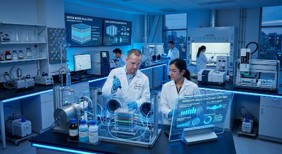
生成AIの急速な普及やクラウドサービスの拡大に伴い、世界的にデータセンターの増設が相次いでいます。それに伴い、施設の安定稼働を支える無停電電源装置(UPS)のバッテリーとしてリチウムイオン電池の導入が進む一方、「熱暴走による火災リスクの低減」が業界全体の喫緊の課題となっています。
こうした背景の中、マクセルが発表した東京科学大学との共同研究は、高い安全性と製造・環境面での優位性を両立する次世代電池として、大きな注目を集めています。以下にニュースの要点を整理し、関連情報を加えて解説します。
1. 共同研究の概要
- 発表企業・機関: マクセル株式会社 & 国立大学法人東京科学大学(白鳥洋介特任教授らの研究チーム)
- 研究テーマ: 水系複合準固体電解質(3D-SLISE)を用いた次世代電池の共同研究
- 主な狙い: 厳格な安全基準が求められるデータセンターや産業用途に向けて、安全で環境負荷の少ない次世代電池の実用化を目指す。
2. 「3D-SLISE」の技術的特徴とメリット
今回の共同研究の核心である「3D-SLISE」は、以下のような優れた特性を持っています。
| 特徴・項目 | 詳細・メリット |
| 高い安全性 | 可燃性の有機電解液を使用しない構成のため、発火・熱暴走のリスクを大幅に低減。 |
| 製造プロセスの活用 | セラミックス粒子界面に水分子を持つ電解質を水と混ぜて「スライム状」にすることで、従来の塗布技術・設備を流用可能。 |
| 環境負荷の低減 | ドライルーム(特殊な低湿度環境)や有機溶剤が不要なため、VOC(揮発性有機化合物)の削減や省電力化に寄与。 |
| 優れたリサイクル性 | 使用後は電解質を水に溶解させることで活物質が取り出しやすく、資源循環が容易。 |
3. 想定される用途と背景
- データセンター向けUPS(無停電電源装置)
- 厳格な防火・安全基準が求められるデータセンターにおいて、火災リスクを抑えることで防火設備の負担や運用コスト全体の削減をめざします。
- その他の産業用機器
- 電動工具や搬送ロボットなど、過酷な環境や高い信頼性が求められる分野への展開も想定されています。
4. 関連情報・補足
- 従来の「全固体電池」との違い
- 一般的な全固体電池も安全性が高い一方で、製造に特殊な高温処理や高価なドライルームが必要となる点が課題でした。これに対し、3D-SLISEは水系材料や既存の塗布プロセスを活かせるため、「安全性の高さ」と「製造コスト・環境負荷の低減」の両立が期待できる点が大きな差別化要素となります。
- マクセルの次世代電池戦略
- マクセルは独自のセラミックス技術や電極製造技術を長年培ってきました。今回の産学連携により、環境配慮型(グリーン)の製造技術を取り入れた次世代バッテリー市場でのポジション確立が期待されます。
出典:https://topics.smt.docomo.ne.jp/article/fisco/business/fisco-0009350020261029026
Painted with water, recycled with water. The full picture of “Aqueous Semi-Solid Batteries” pioneered by Maxell and Institute of Science Tokyo.
With the rapid adoption of generative AI and the expansion of cloud services, data centers are being built in increasing numbers worldwide. As lithium-ion batteries are increasingly adopted in Uninterruptible Power Supplies (UPS) to support the stable operation of these facilities, reducing the risk of fires caused by thermal runaway has become an urgent challenge for the entire industry.
Against this backdrop, the joint research announced by Maxell and the Institute of Science Tokyo has attracted significant attention as a next-generation battery that achieves both high safety and advantages in manufacturing and environmental impact. Below is a summary of the news key points, along with additional background information.
1. Overview of the Joint Research
- Participating Companies & Institutions: Maxell, Ltd. & Institute of Science Tokyo (Research team led by Specially Appointed Professor Yosuke Shiratori)
- Research Theme: Joint research on next-generation batteries using Aqueous Composite Slime-like Ionic Superhighway Electrolytes (3D-SLISE)
- Main Objective: To commercialize safe, low-environmental-impact next-generation batteries for data centers and industrial applications where strict safety standards are required.
2. Technical Features and Benefits of “3D-SLISE”
“3D-SLISE,” the core of this joint research, possesses the following exceptional characteristics:
| Feature / Item | Details & Benefits |
| High Safety | Dramatically reduces the risk of ignition and thermal runaway by omitting flammable organic electrolytes. |
| Leveraging Manufacturing Processes | By mixing water with electrolytes featuring water molecules at the ceramic particle interface to form a “slime-like” state, conventional coating technologies and equipment can be reused. |
| Reduced Environmental Impact | Eliminates the need for dry rooms (specialized low-humidity environments) and organic solvents, contributing to reductions in VOCs (Volatile Organic Compounds) and power consumption. |
| Superior Recyclability | Active materials are easily retrieved after use by dissolving the electrolyte in water, facilitating resource circulation. |
3. Intended Applications and Background
- Data Center UPS (Uninterruptible Power Supplies)
- Aims to curb fire risks in data centers requiring strict fire prevention and safety standards, thereby reducing the burden on fire prevention equipment and overall operational costs.
- Other Industrial Equipment
- Expansion is also anticipated into fields demanding harsh environments and high reliability, such as power tools and automated guided vehicles (AGVs).
4. Related Information & Supplementary Notes
- Difference from Conventional “All-Solid-State Batteries”
- While conventional all-solid-state batteries also offer high safety, challenges have included the need for specialized high-temperature processing and expensive dry rooms during manufacturing. In contrast, 3D-SLISE utilizes water-based materials and existing coating processes, making the simultaneous realization of high safety, low manufacturing costs, and reduced environmental impact a major differentiating factor.
- Maxell’s Next-Generation Battery Strategy
- Maxell has cultivated proprietary ceramic and electrode manufacturing technologies for many years. This industry-academia collaboration is expected to establish the company’s position in the next-generation battery market incorporating eco-friendly (green) manufacturing technologies.
コメント