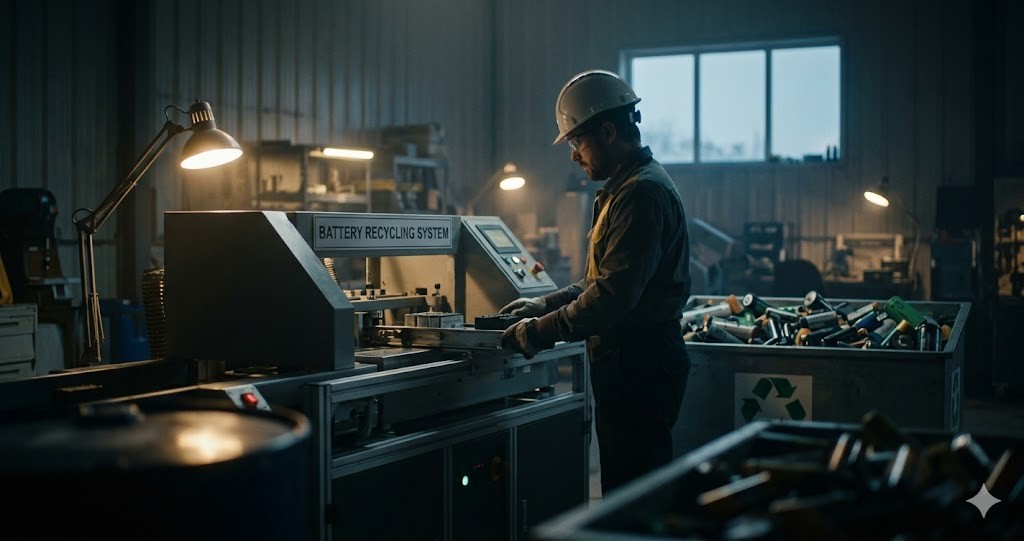
2026年4月、米国ウィスコンシン州とケンタッキー州の両知事が、バッテリーの適正管理を義務付ける、あるいは促進するための新法に署名しました。これにより、リチウムイオン電池を含む特定の中型および充電式バッテリーの回収・リサイクル体制が整備されます。
各州の法律の特徴
| 特徴 | ウィスコンシン州 (AB 713) | ケンタッキー州 |
| 成立日 | 2026年4月2日 | 2026年4月10日 |
| 義務・任意 | 義務的参加 (製造業者は管理組織への加入が必要) | 任意参加 (生産者の参加は自由、独自の形式) |
| 対象製品 | 11ポンド未満の充電式、4.4ポンド未満の非充電式、25ポンド未満の中型電池 | ウィスコンシン州と同様の範囲(携帯型・中型電池) |
| 目標値 | 充電式リサイクル率 60%以上、一次電池 70%以上 | 自主的な回収計画の策定を重視 |
| 施行時期 | 2027年1月 | 2027年3月31日までにプログラム設立 |
【関連情報】背景と全米の動向
この法的動きの背景には、環境保護だけでなく、安全上の切実な問題と経済戦略が絡み合っています。
1. 廃棄物施設での火災防止(安全上の要請)
リサイクル施設やゴミ収集車でのリチウムイオン電池による火災が全米で急増しています。
- 被害の甚大さ: 大手廃棄物処理業者WM(Waste Management)によれば、バッテリー火災は数百万ドルの投資を台無しにし、従業員の命を危険にさらしています。ウィスコンシン州の施設では25万ドルを投じた火災検知システムが導入されるなど、コスト増の要因となっています。
- 保険への影響: 火災の多発は業界全体の保険料率上昇を招いており、確実な回収ルートの確保(路肩のゴミ箱への廃棄禁止など)が強く求められています。
2. 連邦政府の経済・安全保障戦略
トランプ政権下において、バッテリーEPRは単なる環境対策を超えた「資源戦略」と位置づけられています。
- 輸入依存の低減: 廃棄バッテリーから重要鉱物を回収することで、原材料の海外依存を減らします。
- 雇用創出: 米国内でのリサイクル産業を育成し、新たな雇用を生む狙いがあります。
- EPAの動き: 米国環境保護庁(EPA)は、州の取り組みを支援する「自主的なバッテリーEPR枠組み」を今夏に公表する予定です。
3. 他の州への波及効果
バッテリー管理法の制定は全米で勢いを増しています。
- オレゴン州: 2026年4月7日に同様の法案が成立。
- 検討中の州: ニューハンプシャー州(HB 1602)やアイオワ州(SF 2477)でも法案の審議や更新が進んでいます。
4. アルカリ電池の扱いと課題
かつては対象外とされることが多かった使い捨てのアルカリ電池も、管理コストの公平性や消費者の混乱(充電式との区別が困難)を避けるため、一括して回収対象に含める流れが出ています。
用語解説
- EPR (Extended Producer Responsibility): 生産者責任延長。製品の廃棄・リサイクル段階までの責任をメーカーが負う仕組み。
- 中型電池: 重量25ポンド未満の電池。電動自転車や電動工具などに使用されるリチウムイオン電池などが含まれます。
- MRF (Materials Recovery Facility): 資源回収施設。家庭などから回収されたリサイクル資源を分別・処理する施設。
出典:https://www.wastedive.com/news/wisconsin-kentucky-approve-battery-epr-laws/817312/
Wisconsin and Kentucky Approve Battery EPR Laws: A Growing Wave of Mandatory Collection Across the U.S.
In April 2026, the governors of Wisconsin and Kentucky signed new laws aimed at mandating or promoting the proper management of batteries. These laws establish frameworks for the collection and recycling of specific medium-sized and rechargeable batteries, including lithium-ion types.
Key Features of Each State’s Law
| Feature | Wisconsin (AB 713) | Kentucky |
| Date of Enactment | April 2, 2026 | April 10, 2026 |
| Mandatory vs. Voluntary | Mandatory participation (Manufacturers must join a stewardship organization) | Voluntary participation (Producers participate at their own discretion) |
| Covered Products | Rechargeable under 11 lbs, non-rechargeable under 4.4 lbs, and medium-sized batteries under 25 lbs | Similar scope to Wisconsin (portable and medium-sized batteries) |
| Target Values | Min. 60% recycling rate for rechargeable; min. 70% for primary batteries | Emphasis on developing voluntary collection plans |
| Effective Date | January 2027 | Program to be established by March 31, 2027 |
[Related Information] Background and National Trends in the U.S.
The background of this legal movement involves a mix of environmental protection, urgent safety concerns, and economic strategy.
1. Fire Prevention at Waste Facilities (Safety Requirements)
Fires caused by lithium-ion batteries in recycling facilities and garbage trucks are surging across the United States.
- Severe Damage: According to Waste Management (WM), battery fires ruin millions of dollars in investment and endanger employees’ lives. In Wisconsin, one facility spent 250,000 dollars on a fire detection system, highlighting the rising costs.
- Impact on Insurance: Frequent fires have led to increased insurance premiums for the entire industry. There is a strong demand for securing reliable collection routes, such as banning disposal in curbside bins.
2. Federal Economic and Security Strategy
Under the Trump administration, Battery EPR is positioned as a “resource strategy” that goes beyond simple environmental measures.
- Reducing Import Dependency: Recovering critical minerals from waste batteries reduces reliance on foreign raw materials.
- Job Creation: The aim is to foster a domestic recycling industry and create new jobs within the U.S.
- EPA Involvement: The U.S. Environmental Protection Agency (EPA) plans to release a “Voluntary Battery EPR Framework” this summer to support state initiatives.
3. Ripple Effects to Other States
The enactment of battery management laws is gaining momentum nationwide.
- Oregon: A similar bill was signed into law on April 7, 2026.
- States Under Consideration: New Hampshire (HB 1602) and Iowa (SF 2477) are also deliberating or updating battery EPR legislation.
4. Handling of Alkaline Batteries and Challenges
Single-use alkaline batteries, which were often excluded in the past, are increasingly being included in collection programs. This shift aims to ensure fairness in management costs and avoid consumer confusion, as it is often difficult for users to distinguish them from rechargeable batteries.
Glossary
- EPR (Extended Producer Responsibility): A framework where manufacturers take responsibility for the end-of-life disposal and recycling of their products.
- Medium-sized Batteries: Batteries weighing less than 25 lbs, including lithium-ion batteries used in e-bikes and power tools.
- MRF (Materials Recovery Facility): A specialized plant that receives, separates, and prepares recyclable materials for marketing to end-user manufacturers.


コメント