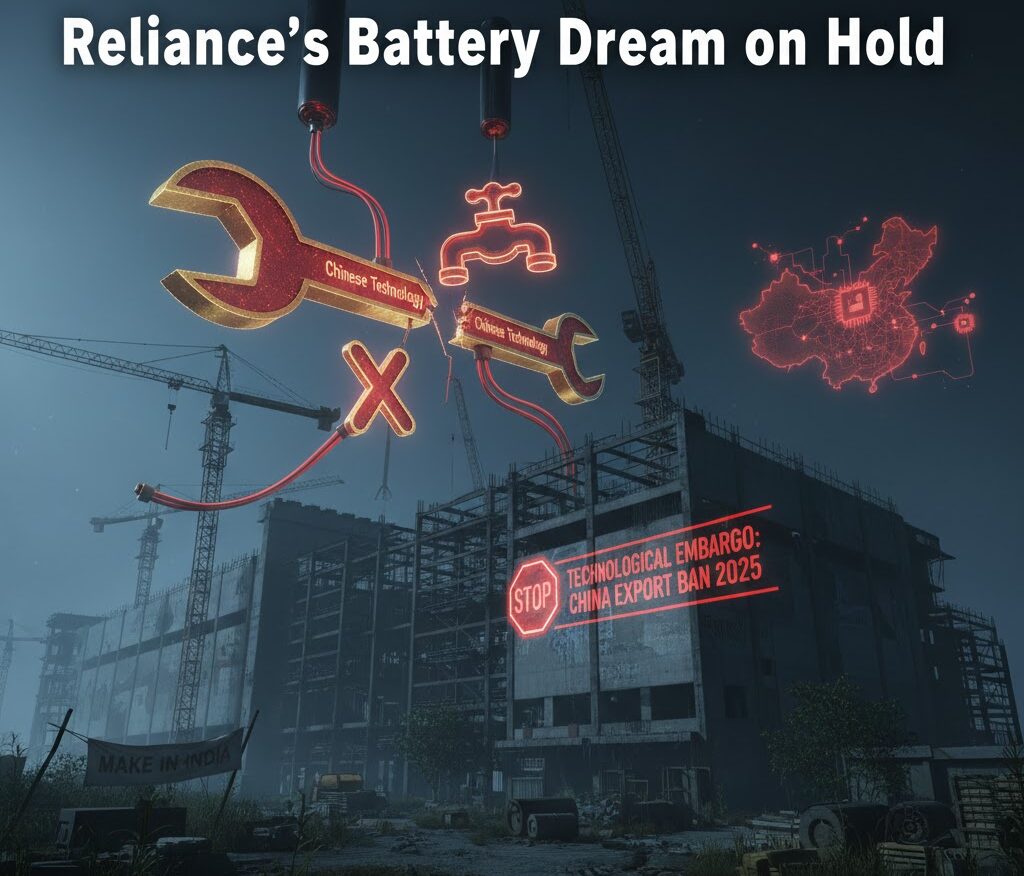
中国メディア「観察者網」の報道(2026年1月21日付)によると、インド最大の富豪ムケシュ・アンバニ氏率いるリライアンス・インダストリーズが、中国からの技術供与を受けられず、リチウム電池の国内生産計画を一時停止に追い込まれています。
1. 計画停止の主な要因
- 中国による輸出規制の強化: 2025年7月に改定された中国の「輸出規制目録」により、電池用リン酸鉄リチウム(LFP)などの正極材製造技術が制限対象となりました。
- 提携企業の撤退: 当初、技術提携を協議していた中国企業がプロジェクトから離脱しました。
- 政治的コストの増大: 中国側は経済的利益だけでなく、米印関係などの政治的要因も考慮し、技術提供の可否を判断する姿勢を強めています。
2. インド「メーク・イン・インディア」の苦境
モディ政権は2030年までにEV販売比率を30%にする目標を掲げていますが、現実は厳しい状況です。
- 目標と実態の乖離: 50 GWh(ギガワット時)の生産能力を目指し約1810億ルピー(約3100億円)の補助金を投入しましたが、現在の稼働能力はわずか 1 GWh に留まっています。
- 対中依存の拡大: インドのリチウム電池輸入額は増大しており、その75%以上を中国に依存しています。
- 研究開発の不足: インド国内企業の研究開発(R&D)意欲が低く、自国技術による空白の埋め合わせができていません。
【関連情報】背景と市場環境の補足
まとめをより深く理解するために、以下の関連情報を補足します。
LFP電池(リン酸鉄リチウム)の重要性
現在、EV市場で主流となっているLFP電池は、安価で安全性が高いという特徴があります。この製造技術において中国企業(CATLやBYDなど)は世界シェアの圧倒的多数を握っており、この技術なしに安価なEVを量産することは極めて困難です。
インド政府の対中政策の矛盾
インド政府は、安全保障上の理由から中国企業の投資を厳しく制限(対内直接投資の事前承認制など)してきましたが、製造業の育成には中国の部品や技術が不可欠というジレンマに陥っています。最近では一部の入札制限緩和を検討していますが、専門家からは「対応が遅すぎる」との批判が出ています。
周辺国での競争(ネパールの事例)
インドの隣国ネパールでは、これまでインド製自動車が強みを持っていましたが、EVシフトに伴い中国のBYDなどが急速にシェアを拡大しています。技術力で劣るインド製品が近隣市場でも苦戦している象徴的な事例といえます。
まとめ表:インドEV戦略の現状
| 項目 | 内容 |
| 主要企業 | リライアンス・インダストリーズ(計画停止中) |
| 補助金予算 | 約 181,000,000,000 ルピー |
| 目標生産能力 | 50 GWh |
| 現在の稼働能力 | 1 GWh |
| 輸入依存度 | 75% 以上が中国製 |
視点: 中国が技術の「蛇口」を閉めたことで、インドのエネルギー転換戦略は、単なる資金投入だけでは解決できない「技術的障壁」に直面しています。
Reliance Industries Suspends Lithium Battery Plans Amid Denial of Chinese Technology
According to a report by the Chinese media outlet Guancha (January 21, 2026), Reliance Industries, led by India’s wealthiest individual Mukesh Ambani, has been forced to suspend its domestic lithium battery production plans due to the inability to secure technology transfers from China.
1. Key Factors Behind the Suspension
- Tightening of Chinese Export Controls: Following the July 2025 revision of China’s Export Control List, manufacturing technologies for cathode materials such as Lithium Iron Phosphate (LFP) have been restricted.
- Withdrawal of Partner Companies: Chinese firms that were initially in talks for technical cooperation have withdrawn from the project.
- Rising Political Costs: China is increasingly weighing political factors, such as US-India relations, alongside economic interests when deciding whether to provide technology.
2. Struggles of the “Make in India” Initiative
While the Modi administration aims for electric vehicles (EVs) to account for 30% of sales by 2030, the reality remains challenging.
- Gap Between Goals and Reality: Despite allocating approximately 181 billion rupees (approx. 310 billion yen) in subsidies to achieve 50 GWh of production capacity, actual operational capacity stands at only 1 GWh.
- Growing Dependency on China: India’s lithium battery imports are rising, with more than 75% currently sourced from China.
- Lack of R&D: Low motivation for Research and Development (R&D) among Indian domestic firms has left them unable to fill the technological void with homegrown solutions.
[Related Information] Background and Market Context
To provide a deeper understanding, here is additional context regarding the market environment:
Importance of LFP (Lithium Iron Phosphate) Batteries
LFP batteries, which currently dominate the EV market, are characterized by low cost and high safety. Chinese companies (such as CATL and BYD) hold the vast majority of the global market share for this manufacturing technology. Without access to it, mass-producing affordable EVs is extremely difficult.
Contradictions in Indian Government Policy Toward China
The Indian government has strictly limited investment from Chinese firms due to security concerns (such as the prior approval system for Foreign Direct Investment). However, it now faces a dilemma as Chinese components and technology are essential for developing its manufacturing sector. While the government is considering easing some bidding restrictions, experts criticize these moves as being “too little, too late.”
Competition in Neighboring Countries (The Case of Nepal)
In neighboring Nepal, where Indian-made vehicles traditionally held a strong position, Chinese firms like BYD are rapidly expanding their share due to the shift toward EVs. This serves as a symbolic case where Indian products, lagging in technological prowess, are struggling even in nearby markets.
Summary Table: Status of India’s EV Strategy
| Item | Details |
| Major Company | Reliance Industries (Plans currently suspended) |
| Subsidy Budget | Approx. 181,000,000,000 Rupees |
| Target Production Capacity | 50 GWh |
| Current Operational Capacity | 1 GWh |
| Import Dependency | Over 75% from China |
Perspective: By “turning off the tap” of technology, China has forced India’s energy transition strategy to face a “technological barrier” that cannot be resolved through financial investment alone.
コメント